
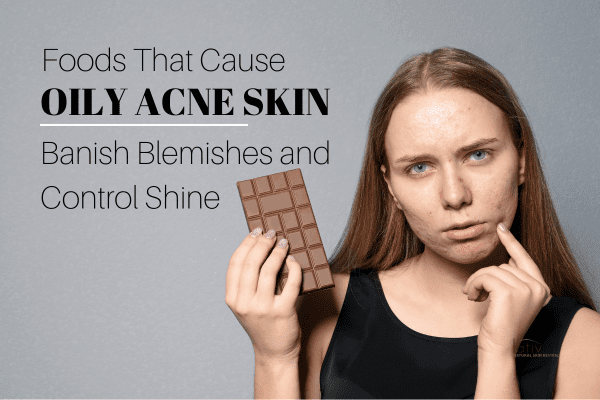
Foods That Cause Oily Acne Skin
Do you feel like your skin stays oily and acne-prone no matter what you apply on it? You’re not alone. People often overlook the powerful role diet plays in skin health. From sugary drinks and processed carbs to greasy fast foods and dairy, many of the foods that cause oily acne skin silently aggravate your complexion. At Natural Skin Revival we understand the frustration and complexities surrounding acne management, which is why we’re delving deep into the relationship between diet and acne. If you’ve tried countless topical treatments without lasting relief, it’s time to examine what you’re feeding your skin from the inside out.
Key Takeaway
- Over-intake of highly processed foods, refined sugars, and inflammatory oils is a major driver of excess sebum, clogged pores, and breakouts.
- Diets high in high-glycemic carbs, dairy proteins, sweetened beverages, red meats, and fried snacks disrupt hormone balance, cause inflammation, and overstimulate oil glands.
- Natural skincare combined with a skin-smart diet delivers safer, longer-lasting acne relief.
Table of Contents
- Key Takeaway
- What is Acne
- What are The Different Types of Acne?
- Why Does Skin Get Oily and Shiny?
- The Link Between Food, Hormones, and Oily Acne Skin
- Common Foods That Cause Oily Acne Skin
- Preventing Food-Induced Acne and Oily Skin
- The Pitfalls of Relying Solely on Conventional Acne Treatments
- Natural Skincare Products to Support Dietary Changes
- Living with Oily Acne Prone Skin
- Frequently Asked Questions
What is Acne?
Acne, a common skin condition, occurs when hair follicles become clogged with oil and dead skin cells. This leads to the formation of whiteheads, blackheads, pimples, or cysts. While genetics and hormonal fluctuations play significant roles, dietary factors can also influence acne severity.
What are the Different Types of Acne?
Acne manifests in various forms, including:
- Whiteheads and Blackheads: Non-inflammatory acne lesions characterized by clogged pores.
- Papules and Pustules: Inflammatory acne lesions causing redness and pus-filled bumps.
- Nodules and Cysts: Severe, painful lesions occurring deep within the skin.
Understanding the type of acne you’re experiencing can help tailor your treatment approach effectively.
Why Does Skin Get Oily and Shiny?
Oily skin occurs when the sebaceous glands produce too much sebum, an oily substance that helps keep the skin hydrated. While some level of sebum is necessary for healthy skin, overproduction can lead to a shiny complexion and clogged pores, contributing to acne development.
Topical treatments that aim to dry up the skin’s surface may seem like a logical solution for individuals with oily skin, as the intention is to reduce the appearance of shine and control excess oil production. However, these treatments can actually be detrimental to people with oily skin in the long run.
Rather than stripping the skin of its natural oils, focus on gentle cleansing, hydrating, and balancing the skin with products specifically formulated for oily and acne-prone skin. By maintaining the skin’s natural equilibrium and supporting its inherent functions, individuals can achieve a healthier complexion without exacerbating oiliness or other skin concerns.
The Link Between Food, Hormones, and Oily Acne Skin
Your skin’s oil production is tightly connected to your internal hormone and insulin levels. When you consume high-glycemic foods or processed sugars, your blood sugar spikes. That forces your body to release more insulin and IGF-1, hormones that stimulate sebaceous glands to produce oil.
On top of that, many ultra-processed foods, including low-quality seed oils, hydrogenated fats, and fried snacks, promote systemic inflammation, which worsens acne lesions and slows down healing. Inflammation combined with oily buildup creates the perfect environment for clogged pores and bacterial overgrowth.
Common Foods That Cause Oily Acne Skin
The relationship between diet and acne has been a topic of debate for years. For decades the medical community has led us to believe that oily skin and acne (all types) have nothing to do with the foods that we eat, even though scientific evidence dating back to 1969 proved otherwise. (1) While the exact mechanisms are still being studied, certain foods have been identified as potential culprits for worsening acne:
1. Refined Sugars and Processed Carbohydrates
- Found in white bread, cereals, pastries, soda, candy, and packaged snacks.
- These foods quickly elevate blood sugar and insulin levels, pushing your skin into oil-production overdrive.
- Processed sugars also raise inflammation, compounding acne severity.
⚠️ Watch Out: Even “healthy” options like dried fruit and fruit juices pack concentrated sugars that spike insulin just as fast.
2. Highly Processed Foods & Inflammatory Oils
- Chips, fast food meals, margarine, frozen entrees, and junk snacks are loaded with processed vegetable oils like corn, soybean, and canola.
- These oils are high in omega-6 fatty acids, which when consumed excessively, shift your body’s balance toward inflammation.
- Inflammatory oils and trans fats make skin cells more prone to clogging and worsen red, swollen breakouts.
Tip: Swap these with omega-3 rich foods like flaxseeds, walnuts, and oily fish to calm inflammation and balance oil production. Read more about The Massive Impact Processed Foods Have On Skin.
3. Dairy Products (Especially Skim Milk & Whey Protein)
- Skim milk lacks fat to buffer its hormonal impact, making it more insulinogenic than whole milk.
- Whey protein powder, often used in fitness shakes, contains specific amino acids that spike insulin and IGF-1 even more.
- These hormonal responses are key contributors to acne and oily buildup.
4. Greasy and Fried Foods
- Fries, burgers, fried chicken, and pizza contain a dangerous mix of refined carbs and poor-quality fats.
- These ingredients promote sebum overproduction and block your skin’s natural detox processes.
- Greasy foods don’t just sit on your fingers—they show up as excess oil on your skin.
5. Red and Processed Meats
- Frequent consumption of processed meats (like bacon, sausage, and hot dogs) can alter your gut microbiome and raise internal inflammation.
- Excess red meat may increase androgenic hormones, which further stimulate sebum.
6. Milk Chocolate and Excess Sweets
- Sugar and dairy together make milk chocolate a perfect storm for breakouts.
- Even dark chocolate, while lower in sugar, may trigger acne for sensitive skin types due to inflammatory compounds.
The Acne Plague
Acne is now an epidemic skin disease of industrialized countries, reaching prevalence rates of over 85% of teenagers. In the United States, acne nowadays persists even after adolescence into the third decade of life in nearly half of men and women. (2)
Preventing Food-Induced Acne and Oily Skin
Food-induced acne and excessive oiliness don’t happen overnight, but the good news is, they can be prevented with mindful, consistent dietary and lifestyle choices. When you eliminate the root causes, namely inflammatory foods, refined sugars, and hormone-disrupting ingredients, you reduce oil production, calm inflammation, and create an internal environment that supports healthy, balanced skin.
Here’s how to prevent acne and oily skin caused by diet:
1. Eliminate or Greatly Reduce High-Glycemic and Refined Carbs
- Skip white bread, pastries, and sugary cereals.
- Replace with low-glycemic, fiber-rich options like steel-cut oats, quinoa, and sweet potatoes.
- Choose whole fruits instead of fruit juices or dried fruits to avoid blood sugar spikes.
2. Avoid Highly Processed and Inflammatory Foods
- Limit fast food, frozen meals, and snack foods with artificial additives and preservatives.
- Avoid oils high in omega-6 fats like corn, soybean, and sunflower.
- Cook with extra virgin olive oil, avocado oil, or coconut oil in moderation.
3. Reevaluate Dairy and Protein Sources
- If you consume dairy, choose full-fat, organic, or fermented options like plain yogurt or kefir in small amounts.
- Replace whey protein with plant-based options like pea, hemp, or rice protein to avoid hormonal stimulation.
4. Hydrate Smartly
- Ditch sugary drinks, soda, and flavored waters.
- Drink plenty of filtered water and herbal teas that support detoxification like green tea, dandelion, or nettle leaf.
5. Embrace Anti-Inflammatory Whole Foods
- Prioritize vegetables, especially leafy greens, zucchini, cucumbers, and carrots.
- Add omega-3 rich foods like salmon, flaxseeds, and walnuts.
- Include zinc-rich foods such as pumpkin seeds and lentils to support skin healing.
- Learn More: How To Eat Plant Based On A Budget
6. Balance Blood Sugar Throughout the Day
- Eat meals rich in protein, fiber, and healthy fats to prevent insulin spikes.
- Don’t skip meals, and avoid eating large quantities of sugar or carbs alone.
By removing the foods that cause oily acne skin and replacing them with anti-inflammatory alternatives, you give your skin a chance to heal from the inside out. Prevention, supported by natural skincare, is your strongest long-term strategy for radiant, balanced skin.
Testimonial: Curing Acne With Diet
How We Cured Cystic Acne With One Simple Diet Change. We know it’s hard to believe, but if you’re struggling with acne, we hope this story by Nina and Randa Nelson will inspire you to try a low-fat, plant-based diet. It’s an easy, free, drug-free therapy that treats the cause of your acne, and not just the symptoms. Read Their Story
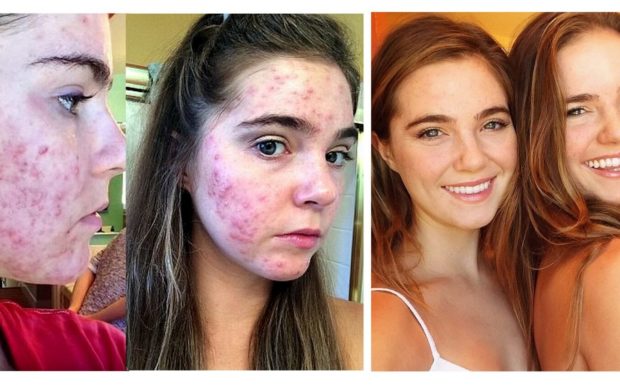
It all starts with one step. Furthermore, through nurturing food, you have the power to live your best life. If you are looking to get plant fit, consider checking out the Forks Over Knives Meal Planner. They offer useful information, tools, and recipes to help you take charge of your health destiny.
The Pitfalls of Relying Solely on Conventional Acne Treatments
Conventional acne treatments target the skin’s surface but rarely address the root causes inside your body. Topical retinoids, benzoyl peroxide, and salicylic acid can reduce bacteria and unclog pores temporarily, but if your diet still promotes excess insulin, inflammation, and hormonal shifts, your acne will return.
This is why dietary changes paired with natural, non-toxic skincare solutions deliver better and safer outcomes. You’re not just masking the problem, you’re healing it from the inside out.
Natural Skincare Products to Support Dietary Changes
For healthy skin, it’s essential to prioritize nutrient-rich foods on your plate. Additionally, extend the same health-conscious approach to your personal care products. Opt for natural creams, ointments, and other topicals, while avoiding harsh chemicals or unnatural ingredients that could worsen your condition.
To effectively treat and manage oily acne-prone skin, focus on neutralizing and balancing oil production. Moreover, avoid harsh drying chemicals or medications, as they can trigger the sebaceous glands to produce more oil, leading to excessive shine and blemishes.
At Natural Skin Revival, we formulate our products specifically for oily acne-prone skin, using gentle, lightweight plant oils that mimic the body’s natural sebum. When applied, these oils blend seamlessly to keep the skin calm and balanced, revealing a clean, clear, and shine-free complexion.

Facial Wash for Rosacea & Oily Acne Skin: Gently removes dirt and excess oil without over-drying.
Toning Mist for Oily Acne Skin: Minimizes pores while calming inflamed skin.
Facial Cream for Oily Acne Prone Skin: Lightweight and non-comedogenic for hydration without breakouts.
Pore Minimizing Mask: Detoxifies skin and absorbs impurities with natural clays.
Blemish Rescue & Relief Oil Serum: Combats redness and inflammation with healing botanicals.
-
 Activated Charcoal & Tea Tree Cleansing Scrub$16.00
 -
 Blemish Rescue & Relief Oil Serum$18.95
 -
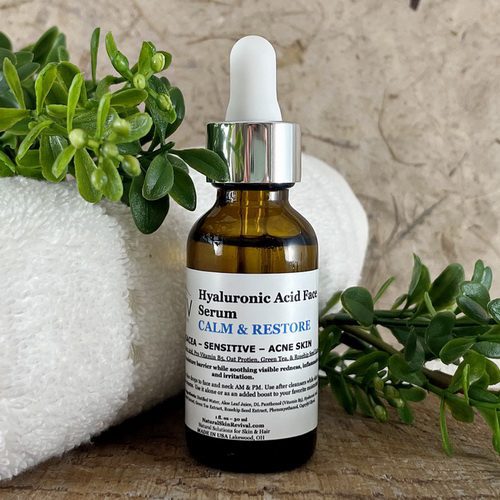 Calm & Restore Hyaluronic Acid Facial Serum$19.95
 -
 Facial Cleansing Scrub Rosemary Mint$16.00
 -
 Facial Cream Oily & Acne Prone Skin$12.95
 -
 Facial Wash Rosacea Oily Acne Skin$24.00
 -
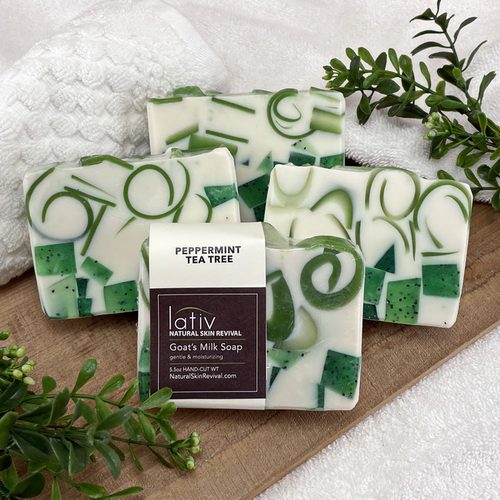 Goats Milk Bar Soap Peppermint Tea Tree$6.99
 -
 Light Face Cream for Men Sensitive Blemished Skin$12.95
 -
 Pore Minimizing Facial Mask$14.95
 -
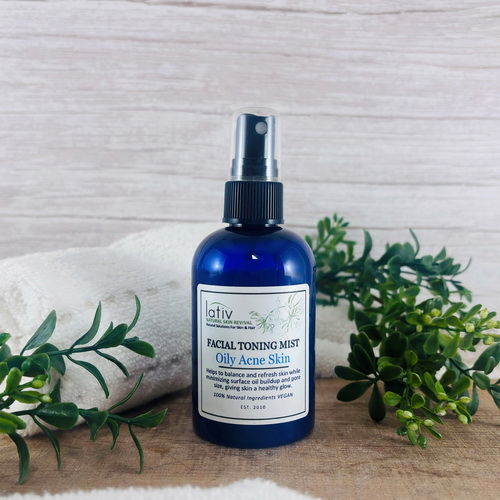 Toning Mist Oily & Acne Skin$13.95
Living with Oily and Acne Prone Skin
Your diet plays a central role in how oily and acne-prone your skin becomes. Eating too many processed foods, inflammatory oils, and refined sugars drives hormonal imbalances, insulin spikes, and inflammation, all key triggers of acne and excess oil. By eliminated these foods that cause oily acne skin, and using natural skincare solutions from Natural Skin Revival, you’re giving your skin a chance to heal the right way, from the inside out.
Take the first step today: nourish your body, treat your skin kindly, and watch your complexion thrive.
When To Consult a Healthcare Professional
If you’re struggling with acne or oily skin despite dietary and lifestyle changes, consult with a dermatologist or healthcare professional. They can offer personalized advice, recommend appropriate skincare treatments, and assess whether underlying medical conditions may be contributing to your skin concerns.
Frequently Asked Questions
1. How do high insulin and IGF‑1 from diet trigger acne and oily skin?
These hormones stimulate your oil glands. High insulin spikes from sugary foods lead to more oil, clogged pores, and increased bacterial activity.
2. Why do skim milk and whey protein seem linked to acne more than other dairy?
Skim milk and whey provoke stronger insulin responses. They lack healthy fats to slow sugar absorption and stimulate oil glands more aggressively.
3. Can avoiding refined carbs reduce oil production over time?
Yes. Cutting refined carbs stabilizes blood sugar and hormone levels, reducing sebum production and calming inflamed, oily skin.
4. Do healthy fats like oily fish help reduce oily, acne-prone skin?
Absolutely. Omega‑3 fats from fish and flax help regulate hormones and inflammation, reducing sebum and promoting balanced, radiant skin.
5. Is processed sugar worse than natural sugar when it comes to acne?
Yes. Processed sugars cause extreme insulin spikes, while natural sugars in whole fruits are moderated by fiber, reducing skin damage and oil production.
Written By: Mary Ellen Wank, Wellness Advocate and Founder of LATIV, Natural Skin Revival DISCLAIMER
Recommended Articles:
How Processed Foods Are Trashing Your Skin
How Sugar Contributes to Acne, Eczema, Rosacea and Aging
Effects of Stress on Skin & Ways to Handle It
Banish Bloating, Clear Skin and Feel Amazing
References:
1) Fulton JE Jr. Effect of chocolate on acne vulgaris. JAMA. 1969 Dec 15;210(11):2071-4.
4) Thiboutot DM. Diet and acne revisited. Arch Dermatol. 2002 Dec;138(12):1591-2.
Comments are closed here.