
Eyelid Dermatitis Eczema: Symptoms, Cause & Treatment
If you’re asking, “Why are my eyelids red and itchy all of a sudden?” or wondering about effective ways to treat eczema on your eyelids naturally, you’re not alone. Eyelid dermatitis, or eczema on the eyelids, can be a frustrating condition that causes discomfort, irritation, and concern about your skin’s appearance.
This condition often manifests as redness, dryness, flakiness, and itching, making you search for the best solution to manage the symptoms. So, what causes eyelid dermatitis, and how do you treat it? The good news is that there are natural remedies to address this condition, and with the right care, you can soothe your eyelids effectively.


In this article, we’ll answer common questions such as: Can I use moisturizer on eyelid eczema? and What’s the best home remedy for eyelid dermatitis? We’ll also help clarify the differences between eyelid dermatitis and eczema, provide tips on how to manage irritation, and discuss the importance of proper moisturization.
Key Takeaways
- Eyelid dermatitis is a common skin condition that causes redness, itching, dryness, and swelling on the sensitive eyelid area.
- It is typically triggered by allergic reactions or irritants, such as skincare products, cosmetics, soaps, or environmental exposures.
- The condition can be temporary or chronic, depending on the cause and how it’s managed.
- Avoiding triggers and adopting a gentle, natural skincare routine is essential for long-term relief and prevention.
- Natural treatments, like nourishing moisturizers and botanical-rich balms, help calm inflammation and restore skin health.
- Early action can prevent flare-ups from worsening or becoming long-lasting.
- Always choose fragrance-free and hypoallergenic products, especially when dealing with sensitive or compromised eyelid skin.
Table of Content
- Key Takeaways
- Overview Eczema on Eyelid
- Eyelid Dermatitis Symptoms
- Appearance: What Does Eyelid Dermatitis Look Like
- What Causes Eyelid Dermatitis
- Preventing Eyelid Dermatitis
- Treating Eyelid Dermatitis with Natural Skin Revival
- Product Recommendations for Eyelid Dermatitis
- Frequently Asked Questions
- Restoring Comfort to Your Delicate Eyelid Area
Overview Eczema on Eyelid
Eyelid dermatitis, eczema of the eyelids, is an inflammatory skin condition characterized by redness, itching, swelling, and flaking of the eyelids. It can affect individuals of any age, and while it is not usually a serious medical concern, it can cause significant discomfort and aesthetic concerns. Read More: An Overview of The Different Types of Eczema.
If you suffer from eyelid dermatitis or start to develop problems, you’ll want to know how to treat it quickly. Left untreated eye dermatitis can cause serious complications. Read more about complications.
Eyelid Dermatitis Symptoms
Identifying eyelid dermatitis early is crucial for prompt treatment. Some common symptoms include:
- Redness: The eyelids may appear redder than usual, indicating inflammation.
- Itching: Persistent itching sensation, leading to discomfort and urge to rub the eyes.
- Swelling: Swollen eyelids, often accompanied by a feeling of puffiness.
- Dryness: Dry, flaky skin on the eyelids, causing irritation.
- Burning or stinging: Sensation of burning or stinging on the eyelids, particularly when in contact with irritants or allergens.
- Crusting: Formation of crusts or scales on the eyelids, especially upon waking up in the morning.

Appearance – What Does Eyelid Dermatitis Look Like
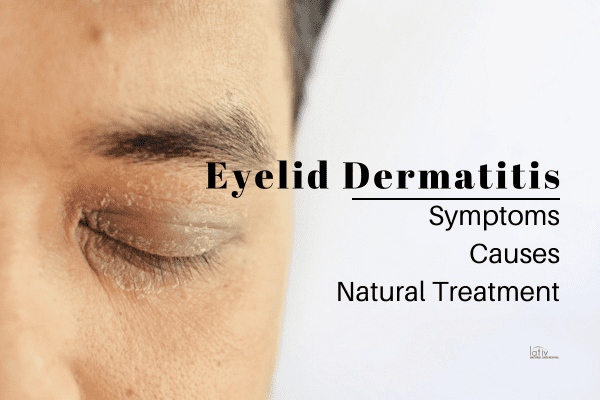
Eyelid dermatitis can manifest differently from person to person. While some may experience mild symptoms, others may suffer from severe inflammation and discomfort. The appearance of eyelid dermatitis can range from subtle redness to pronounced swelling and flaking. Moreover, in severe cases, the skin may become raw, cracked, and even develop open sores, thereby increasing the risk of infection.
What Causes Eyelid Dermatitis?
Understanding the underlying causes of eyelid dermatitis is essential for effective management. Common triggers include:
- Allergens: Exposure to allergens such as pollen, pet dander, dust mites, or certain skincare products can trigger an allergic reaction.
- Irritants: Harsh chemicals found in cosmetics, soaps, shampoos, and eye makeup removers can irritate the delicate skin of the eyelids.
- Atopic Dermatitis: Individuals with a history of atopic dermatitis (eczema) may be more prone to developing eyelid dermatitis.
- Contact Dermatitis: Direct contact with certain substances like nickel, latex, or fragrances can lead to contact dermatitis on the eyelids.
- Environmental Factors: Extreme weather conditions, such as cold, dry air or excessive heat and humidity, can exacerbate symptoms.
Treating Eyelid Dermatitis with Natural Skin Revival
At Natural Skin Revival, we offer a range of products specially designed to soothe and alleviate symptoms of eyelid dermatitis. Moreover, these products are formulated with natural ingredients known for their calming and moisturizing properties, making them gentle yet effective for sensitive skin. Here are some recommended products for managing eyelid dermatitis:
- Gentle Cleanser: Facial Wash Rosacea, Oily, Acne Skin or Facial Wash Normal, Dry, Mature Skin. To begin your skincare routine, start with our gentle cleanser. These products effectively remove impurities while soothing irritated skin, all without stripping away its natural oils.
- Hydrating Creamy Eye Cream: Our hydrating Creamy Eye Treatment cream is specifically formulated to nourish and hydrate the delicate skin around the eyes. With a soothing creamy texture, it helps to reduce redness, swelling, and dryness and itching associated with eyelid dermatitis.
- Soothing Skin Ointment: Reach for our Soothing Skin Ointment when the area around the eye is chaffed, red and rash-like. This incredible ointment is made with beeswax to lock in and seal moisture. It keeps your eyelids moisturized and protected while it heals and restores the skin barrier.
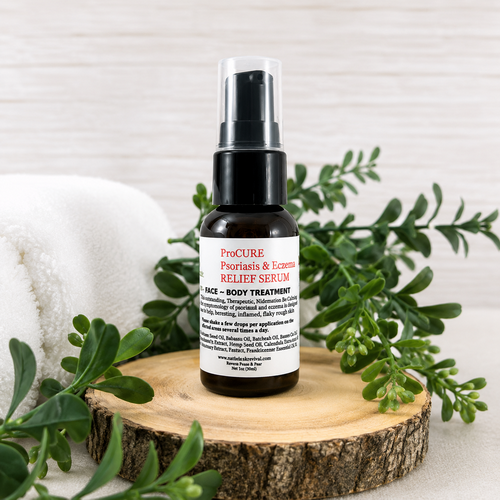
- ProCure Psoriasis Eczema Relief Oil Serum: Moreover, this calming serum contains potent antioxidants and anti-inflammatory ingredients to calm irritated skin, providing relief from itching, burning, and stinging sensations. Safe for the area around the eye.
For a comprehensive selection of products tailored to address eyelid dermatitis, visit our website’s dedicated page: Eyelid Dermatitis Products.
Product Recommendations for Eyelid Dermatitis:
-
 Creamy Eye Treatment$19.95
 -
 ProCure Psoriasis & Eczema Repair BalmPrice range: $14.95 through $29.90
 -
 ProCure Psoriasis Eczema Relief Oil Serum$18.95
 -
 Soothing Skin Ointment$9.95


Preventing Eyelid Dermatitis
While some factors contributing to eyelid dermatitis may be unavoidable, there are steps you can take to minimize the risk of flare-ups:
- Identify Triggers: Pay attention to potential triggers and avoid exposure to known allergens or irritants.
- Choose Gentle Products: Opt for hypoallergenic, fragrance-free skincare products specifically formulated for sensitive skin.
- Practice Good Hygiene: Keep your eyelids clean and avoid rubbing or scratching them excessively.
- Moisturize Regularly: Use a gentle, hydrating moisturizer to keep the skin on your eyelids moisturized and supple.
- Protective Measures: Wear sunglasses to shield your eyes from UV rays and avoid direct contact with harsh environmental elements.
- Diet: The best way to make sure your skin is getting nutrients is to eat foods that contain them, including vegetables and fruits, and a lot more of them. Additionally, you cannot achieve healthy skin with a cream alone; similarly, taking medications won’t cure your bloating if you’re eating an unhealthy diet.
The conventional medical community is still unclear about the exact cause of atopic dermatitis. However, the functional medical community is pointing a finger at food allergies. For many people there is a strong link between eczema flares and food allergies.
Making dietary changes will relieve and, in most cases, eliminate the problem. Additionally, dairy products (such as yogurt, milk, cheeses, etc.) are a known food trigger. Furthermore, it’s essential to read more about common foods that trigger or worsen eczema symptoms and what you can do to prevent flares.
Restoring Comfort to Your Delicate Eyelid Area
To prevent recurring flare-ups, continue to use gentle skincare products, avoid known triggers, keep the skin around your eyes moisturized, and protect your eyes from environmental irritants. Regularly monitoring your skincare routine and making adjustments as needed can also help maintain healthier eyelids.
Eyelid dermatitis can be an uncomfortable and frustrating condition, but with the right knowledge and care, you can effectively manage and soothe the symptoms. By understanding the triggers, utilizing natural treatments, and incorporating the right products into your skincare routine, you can help prevent flare-ups and restore comfort to your delicate eyelid area.
At Natural Skin Revival we offer a variety of gentle, natural products that are designed to support your skin’s health, including soothing moisturizers, calming serums, and gentle cleansers that can make a real difference. Remember, consistency is key, and by keeping your skin hydrated, avoiding irritants, and seeking professional advice when necessary, you can take control of eyelid dermatitis and improve your skin’s appearance and comfort. Always consult with a dermatologist if your symptoms persist, and together, we can work towards healthier, happier skin.
Frequently Asked Questions
1. Can eyelid dermatitis be cured?
While eyelid dermatitis may not have a permanent cure, it can be managed effectively with proper treatment and care, including natural remedies and soothing products.
2. How can I prevent eyelid dermatitis flare-ups?
Prevention includes identifying and avoiding triggers, using gentle skincare products, keeping the skin moisturized, and protecting your eyes from allergens and irritants.
3. Can I wear makeup with eyelid dermatitis?
It’s best to avoid makeup during a flare-up, as it can irritate the skin further. If you must wear makeup, choose hypoallergenic, fragrance-free products.
4. Is eyelid dermatitis contagious?
No, eyelid dermatitis is not contagious. It is an inflammatory condition triggered by various factors such as allergens, irritants, or underlying skin conditions.
5. How do I prevent eyelid dermatitis from coming back?
Written By: Mary Ellen Wank, Wellness Advocate and Founder of LATIV, Natural Skin Revival DISCLAIMER
Recommended Articles:
How to Naturally Improve Eye Skin
How To Choose and Use a Facial Serum
7 Reasons to Start Using a Facial Cleansing Mask
The Benefits of Using A Facial Scrub
August 30, 2026 4:03 pm
Comments are closed here.