

Gluten Rash: Early Warning Signs & How To Treat It Naturally
Living with gluten sensitivity or celiac disease can be frustrating, especially when it manifests through skin conditions like gluten rash. If you’ve been experiencing itchy, red bumps or blisters on your skin, you might be dealing with a condition known as dermatitis herpetiformis. This condition is more commonly referred to as gluten rash.
For many, the frustration is not just the rash itself but also the mystery of how gluten causes such reactions. Gluten, a protein found in wheat, barley, and rye, can trigger skin reactions even without stomach symptoms. In this guide, we will dive into what gluten rash is and how it is diagnosed. We will explore the causes behind it and discuss how you can treat it naturally using solutions from Natural Skin Revival.
Key Takeaways
- Symptoms include itchy red bumps, blisters, and persistent discomfort on areas like elbows and knees.
- Gluten rash, or dermatitis herpetiformis, is a skin reaction linked to gluten sensitivity or celiac disease.
- A strict gluten-free diet is essential for managing gluten rash, along with natural treatments for symptom relief.
- Recognizing early signs and proper skincare can minimize flare-ups and discomfort associated with gluten rash.
- Natural Skin Revival offers targeted skincare products to soothe gluten rash and promote skin healing.
Table of Contents
- What is Gluten
- What is a Gluten Allergy Rash?
- Appearance and Common Areas
- How Gluten Causes a Rash on the Skin
- How Long Does a Gluten Rash Last
- How Is a Gluten Rash Diagnosed
- Prevention
- Treatment Using Natural Skin Revival Products
- Living with Gluten Rash
- Frequently Asked Questions
- Navigating Life with Gluten Sensitivities
What Is Gluten
Gluten is a protein found in wheat, barley, rye, and their derivatives. It acts as a binding agent in many foods. While harmless for most individuals, gluten can trigger adverse reactions in those with gluten sensitivity or celiac disease. Gluten sensitivity refers to the body’s inability to tolerate gluten, leading to various symptoms, including skin manifestations like gluten rash.
Oats don’t naturally contain gluten, but many commercial varieties are exposed to gluten during storage, transportation, or processing. [1]
Gluten as a thickening agent and filler is in everything from ketchup to ice cream. It can also be present in many processed and packaged foods, such as sauce mixes and beer. The inactive ingredients in many medications are gluten-based. It’s used in just about everything.
Gluten intolerance is a highly debated issue, but its prevalence is rising worldwide. Many believe additives, not just grains, contribute to this increase. [2]

What is a Gluten Allergy Rash?
Recognizing the early warning signs of gluten rash is crucial for timely intervention and management. Individuals experiencing gluten sensitivity may exhibit an array of symptoms, such as:
- Itchy Skin: Persistent itching, often localized in specific areas like elbows, knees, buttocks, or scalp.
- Rash Formation: Development of small, red bumps or blisters resembling hives or eczema.
- Burning Sensation: Discomfort or burning sensation accompanying the rash, exacerbating with scratching.
- Painful Lesions: Formation of painful, fluid-filled lesions or papules, typically symmetrically distributed.
Appearance & Common Areas of Gluten Rash
The appearance of gluten rash can vary significantly among individuals, ranging from mild irritation to severe dermatological manifestations. Characteristic features of gluten rash include:
- Grouped Lesions: Clusters of small, red bumps or blisters grouped closely together, resembling a rash pattern.
- Intense Itching: Pruritus, or intense itching, often preceding the eruption of rash lesions, exacerbating the discomfort.
- Symmetrical Distribution: Affected areas typically exhibit symmetrical distribution, mirroring each other on both sides of the body.
- Chronic Persistence: Gluten rash tends to persist chronically, with intermittent flare-ups triggered by gluten ingestion or other factors.
The most common areas affected by gluten rash include:
- Elbows and Knees: These are the most typical areas for the rash to appear.
- Buttocks and Back: The rash can spread to these areas as well.
- Scalp and Neck: In some cases, gluten rash can affect the scalp and neck.
The rash can last weeks or months and may recur if gluten is reintroduced. A strict gluten-free lifestyle is essential.
How Gluten Causes a Rash on the Skin
Understanding the underlying causes of gluten rash is essential for effective management and prevention strategies. Even if you don’t experience stomach discomfort, gluten can trigger a rash on the skin due to an immune system reaction. In those with celiac disease or gluten sensitivity, the body’s immune system mistakenly treats gluten as a harmful substance. This leads to the formation of antibodies that deposit in the skin’s layers, causing inflammation and rashes. The result is a skin condition called dermatitis herpetiformis, which can cause significant itching and discomfort.
How Long Does a Gluten Rash Last
The cause of gluten rash is directly linked to gluten intolerance or celiac disease. The immune system’s response to gluten triggers an inflammatory reaction in the skin. Without treatment, the rash can persist, potentially lasting for weeks or even months. The duration depends on the severity of the condition and how quickly gluten is eliminated from the diet.
How Is a Gluten Rash Diagnosed
Diagnosing gluten rash usually involves a skin biopsy, which can confirm the presence of IgA antibodies in the skin. Dermatologists may also look at medical history and conduct blood tests to check for celiac disease markers. If you experience the typical rash symptoms and have a history of gluten sensitivity, your doctor will likely recommend a biopsy or further testing to confirm the diagnosis.
Prevention
While complete avoidance of gluten remains the cornerstone of managing gluten sensitivity and preventing associated skin manifestations, adopting certain lifestyle modifications can significantly mitigate the risk of gluten rash. Key preventive measures include:
- Gluten-Free Diet: Opt for a gluten-free diet, avoiding wheat, barley, rye, and gluten-containing products.
- Ingredient Scrutiny: Thoroughly read food labels and ingredient lists to identify hidden sources of gluten in processed foods.
- Cross-Contamination Awareness: Practice caution to prevent cross-contamination in food preparation areas, particularly in shared kitchens or dining establishments.
- Consultation with Healthcare Provider: Consult a healthcare provider or dermatologist for accurate diagnosis and personalized management strategies tailored to individual needs.

Treatment of Gluten Rash Using Natural Skin Revival
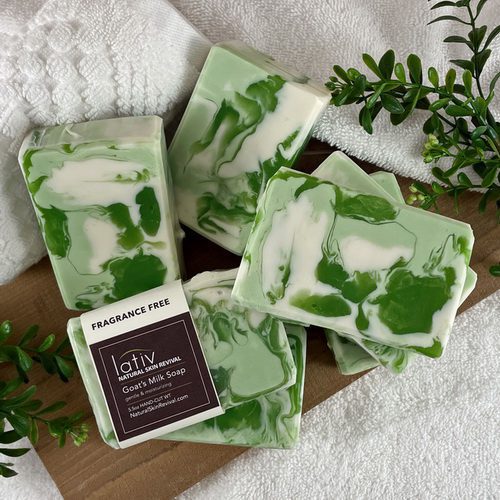
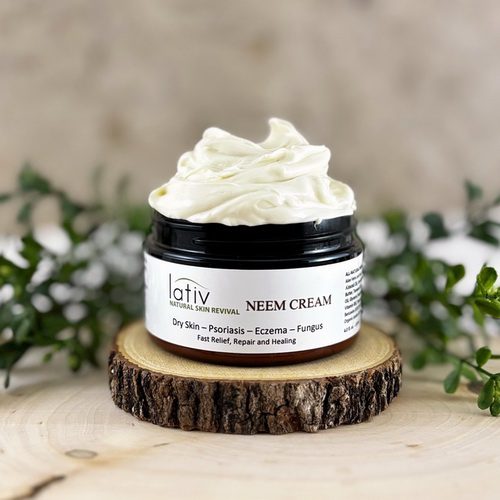
- Neem Cream: Formulated with calming botanicals such as chamomile and aloe vera, our soothing Neem Cream provides instant relief from itching and inflammation associated with gluten rash.
- Goat Milk Honey & Oatmeal Soothing Bath Milk: Enriched with colloidal oatmeal, our gentle bath milk will help calm the intense itch and irritation caused by gluten rash symptoms.
- ProCure Psoriasis & Eczema Repair Balm: Infused with organic calendula extract, our healing balm accelerates skin repair and reduces redness and discomfort caused by gluten rash lesions.
- ProCure Psoriasis Eczema Relief Oil Serum: Moreover, this calming serum contains potent antioxidants and anti-inflammatory ingredients to calm irritated skin, providing relief from itching, burning, and stinging sensations.
- Goats Milk Soap, Fragrance Free: When it comes to cleansers, nothing beat goats milk soap. Our gentle goat milk soaps cleanses and hydrates sensitive skin without aggravating gluten rash symptoms.
At Natural Skin Revival, we offer a curated selection of natural skincare products specifically formulated to address gluten rash and alleviate associated symptoms. Our gluten-free skincare range harnesses the power of botanical extracts, vitamins, and nourishing ingredients to soothe irritated skin and promote healing. Here are some featured products available on our website:
Getting Results With Natural Skin Revival
Gluten rash represents a significant dermatological manifestation of gluten sensitivity, necessitating vigilant recognition and proactive management. By familiarizing ourselves with the early warning signs, causes, and preventive measures associated with gluten rash, we empower ourselves to make informed lifestyle choices conducive to optimal skin health. Moreover, zt Natural Skin Revival we remain committed to providing natural skincare solutions tailored to individuals with gluten sensitivity, ensuring holistic well-being and radiant skin vitality.
Remember, prioritizing your skin’s health begins with conscious choices and informed decisions. Together, let’s embark on a journey towards skin rejuvenation and vitality, guided by nature’s bountiful offerings.
Here Are Our Product Recommendations:

-
 ProCure Psoriasis & Eczema Repair BalmPrice range: $14.95 through $29.90
 -
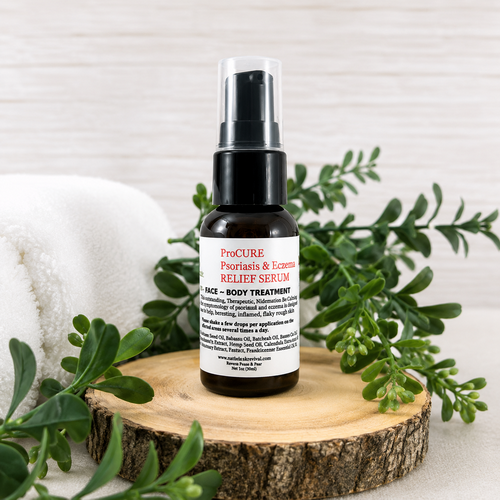 ProCure Psoriasis Eczema Relief Oil Serum$18.95
 -
 Sensitive Skin Goats Milk LotionPrice range: $9.95 through $14.95
Living with Gluten Rash
Living with gluten rash requires strict adherence to a gluten-free diet and careful management of your skin health. Over time, most individuals find that avoiding gluten helps reduce flare-ups and the discomfort associated with the rash. However, managing the emotional toll of living with a chronic condition is equally important. Support from family, friends, and healthcare providers can be invaluable in maintaining a balanced approach to life with gluten rash.
Frequently Asked Questions
1. Can a gluten-free diet alone resolve a gluten rash?
A gluten-free diet is the primary treatment for gluten rash.
2. How long does it take for a gluten rash to improve after going gluten-free?
It may take weeks to months for symptoms to improve. It depends on the severity of the rash and how long gluten has been present in the system.
3. Can a gluten rash flare up even after starting a gluten-free diet?
Yes, a flare-up can occur if there is accidental gluten ingestion or if cross-contamination occurs.
4. Should someone with gluten rash avoid oats too?
Some individuals with gluten sensitivity may also react to oats due to cross-contamination with gluten-containing grains. It’s important to choose certified gluten-free oats.
5. What’s the difference between a gluten rash and a wheat allergy rash (hives)?
A gluten rash is caused by the immune system’s response to gluten in individuals with celiac disease or gluten sensitivity. In contrast, a wheat allergy rash is an allergic reaction to proteins in wheat, often resulting in hives or swelling.
6. Are there other skin conditions linked to gluten sensitivity or celiac disease?
Yes, individuals with celiac disease may also experience other skin conditions, such as psoriasis, eczema, and urticaria (hives).
7. Are there genetic markers or family history associated with gluten rash?
Yes, there are genetic markers linked to gluten sensitivity, particularly the HLA-DQ2 and HLA-DQ8 genes. A family history of celiac disease increases the risk.
8. Will I need treatment for the rest of my life if diagnosed with dermatitis herpetiformis?
For most people, treatment involves managing symptoms with a gluten-free diet. Lifelong management may be required, depending on individual circumstances.
9. Can I have dermatitis herpetiformis without celiac disease symptoms?
Yes, it is possible to have dermatitis herpetiformis without obvious gastrointestinal symptoms of celiac disease.
10. Is dermatitis herpetiformis contagious?
No, dermatitis herpetiformis is not contagious. It is an autoimmune condition triggered by gluten sensitivity.
Navigating Life with Gluten Sensitivity
Gluten rash is a challenging condition, but with proper knowledge, diagnosis, and treatment, it is possible to manage effectively. By following a gluten-free diet, using the right skincare products, and taking care of your overall health, you can minimize the impact of gluten rash on your daily life. At Natural Skin Revival, we are committed to offering natural skincare solutions to support your skin’s health as you navigate life with gluten sensitivity.
Written By: Mary Ellen Wank, Wellness Advocate and Founder of LATIV, Natural Skin Revival DISCLAIMER
Have questions? Reach us at [email protected], Monday–Friday, 9AM–5PM EST.
Resources:
[1] Everyday Health, What Is Gluten
[2] Center Spring MD, Gluten The New Food Additive
[3] Everyday Health, Gluten Allergy Rash: Identification and Treatment
[4] & [5] John Hopkins, Dermatitis Herpetiformis
Comments are closed here.