
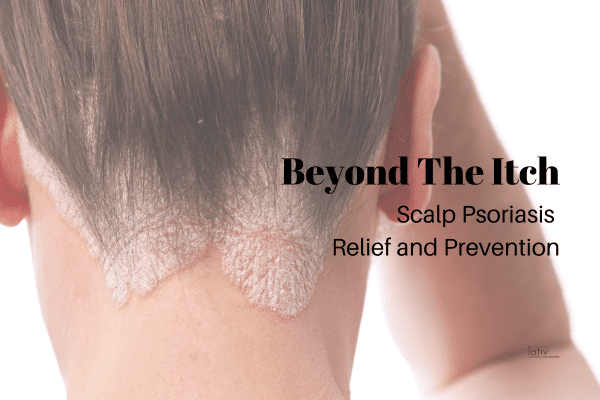
8 Tips For Washing Your Hair With Scalp Psoriasis
Living with scalp psoriasis means constant irritation, persistent flaking, and discomfort that impacts daily confidence, comfort, and your self-care routine. Understanding how to wash your hair without worsening symptoms can feel overwhelming, especially when flare-ups become unpredictable and painful. In 8 Tips for Washing Your Hair with Scalp Psoriasis, we guide you through scalp-soothing, natural care routines that actually work. This guide explains how often to wash, what ingredients to use, how to reduce irritation, and ease scale buildup gently. With support from Natural Skin Revival’s trusted products, you can nourish your scalp, reduce discomfort, and regain peace of mind naturally.
Key Takeaways
- First, scalp psoriasis requires a consistent, gentle hair care routine to reduce flare-ups and discomfort.
- Additionally, lukewarm water and soft scalp massage can help minimize irritation during washing.
- Using shampoos with calming ingredients, like natural ingredients, can ease scaling and inflammation.
- Conditioning regularly is essential to restore moisture, reduce tightness, and protect the scalp barrier.
- Moreover, gentle shampoo bars help maintain scalp health without over-drying.
- Lastly, managing stress, avoiding harsh styling practices, and staying aware of triggers can significantly reduce flare-ups over time.
Table of Contents
- Key Takeaway
- What Is Scalp Psoriasis
- Symptoms of Scalp Psoriasis
- Cause, Duration & Diagnosis
- Lifestyle Impact & Personal Relationships
- Conventional Treatment vs. Natural Treatment
- Why Natural Treatment Is Better Than Conventional
- Natural Treatments Using Natural Skin Revival Products
- 8 Tips For Washing Your Hair With Scalp Psoriasis
- Prevention (Including Infection Prevention)
- Medical Red Flags
- Frequently Asked Questions
- Living With Scalp Psoriasis
What Is Scalp Psoriasis
Scalp psoriasis is a chronic autoimmune condition where skin cells multiply too quickly on your scalp. It creates red, often silvery or flaky, itchy patches that may extend to the hairline and beyond. According to the National Psoriasis Foundation (NPF), it affects around half of all individuals with psoriasis. These patches, also known as plaques, can vary in severity and often cause discomfort and self-consciousness.
Symptoms of Scalp Psoriasis
The visible flakes and redness often spark embarrassment or self-consciousness. Symptoms include persistent itching, silvery-white scale that mimics dandruff but is thicker, and discomfort from burning or tightness.
Cause, Duration & Diagnosis
Scalp psoriasis, like other forms of psoriasis, is a complex condition with various contributing factors. Consequently, duration varies, some experience fleeting flare-ups; others have long-term symptoms. Diagnosis is clinical, often by dermatologists, based on appearance and history. Here are the causes and risk factors associated with scalp psoriasis:
Genetics: A family history of psoriasis heightens the risk of developing scalp psoriasis.
Immune System Dysfunction: Psoriasis is an autoimmune disorder where the immune system mistakenly attacks healthy skin cells, causing inflammation and rapid skin cell turnover. As a result, this dysfunction can lead to the development of scalp psoriasis.
Environmental Triggers: Factors like stress, infections, cold weather, dry air, and specific medications can trigger or exacerbate scalp psoriasis symptoms.
Inflammatory Response: Overactive inflammation in the skin characterizes scalp psoriasis, leading to the formation of red, itchy, and scaly patches.
Skin Trauma: Injuries like scratches, cuts, or sunburn on the scalp can provoke psoriasis flare-ups, observed as a Koebner phenomenon.
Obesity: Evidence suggests obesity may heighten the risk of psoriasis, including scalp psoriasis, due to increased inflammation in the body.
Smoking and Alcohol Consumption: Both smoking and heavy alcohol consumption elevate the likelihood of developing psoriasis and may exacerbate scalp psoriasis symptoms.
Certain Medications: Some medications, such as lithium, beta-blockers, and antimalarial drugs, have been associated with triggering or exacerbating psoriasis symptoms, including those affecting the scalp.
It’s important to recognize that while these factors contribute to scalp psoriasis risk, not everyone with these risk factors will develop the condition. Consulting a healthcare professional for an accurate diagnosis is crucial if you suspect scalp psoriasis or experience related symptoms.
Lifestyle Impact & Personal Relationships
Living with scalp psoriasis can strain confidence, social interactions, and intimate moments. Visible flakes may lead to isolation or reluctance to engage, while constant itch and discomfort strain emotional wellbeing and relationships.

Conventional Treatment vs. Natural Treatment
Conventional routes include medicated shampoos (coal tar, salicylic acid, steroids, vitamin D analogues), left on the scalp to soften scales or curb cell growth. However, they may irritate, stain, or dry out when overused. Natural approaches lean on gentle, botanical ingredients, hydrating oils, and fragrance‑free formulations like ours, offering relief without harsh side effects.
Why Natural Treatment Is Better Than Conventional
Natural treatments respect your scalp’s balance: they hydrate rather than strip, calm instead of inflame, and support long‑term scalp health. They avoid common drawbacks of harsh medicated products like dryness, chemical residue, and flare‑triggering irritation.
Natural Treatments Using Natural Skin Revival Products
Scalp psoriasis, therefore, needs consistent care rooted in gentle ingredients, soothing hydration, and therapeutic relief. To address this, at Natural Skin Revival, we’ve formulated a holistic hair and scalp care routine to restore comfort, reduce inflammation, and calm persistent symptoms, naturally. With that in mind, here’s how to create a transformative, psoriasis-friendly regimen using our targeted products:
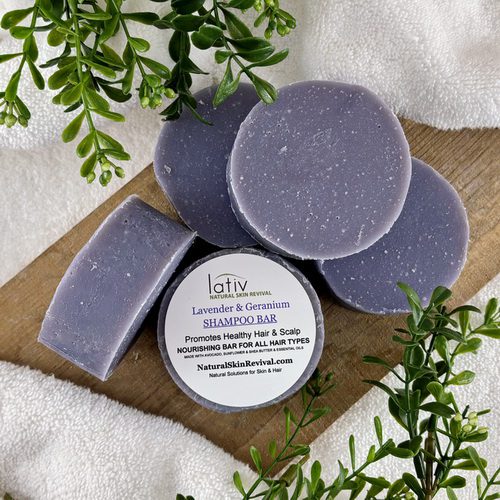
Neem & Tea Tree Shampoo Bar. Crafted with antimicrobial neem and purifying tea tree oil, this shampoo bar helps relieve itchiness, remove buildup, and control scalp inflammation. In addition, its gentle lather cleanses without stripping, leaving the scalp refreshed and balanced.
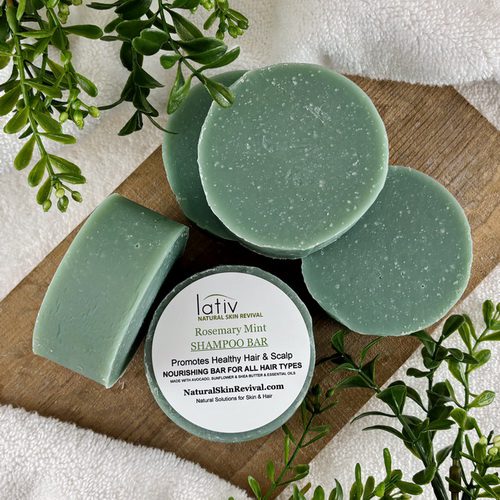
Rosemary Mint Shampoo Bar. Soothes irritation, boosts circulation, and supports hair regrowth. Rosemary and mint refresh the scalp while promoting healthier follicles and reduced flaking.
Recommended Products


Botanical Hair Recovery Serum. This pre-wash oil treatment softens stubborn plaques and scales while deeply hydrating the scalp. With botanical extracts and nutrient-rich oils, it calms inflammation and preps the scalp for a gentle shampoo.
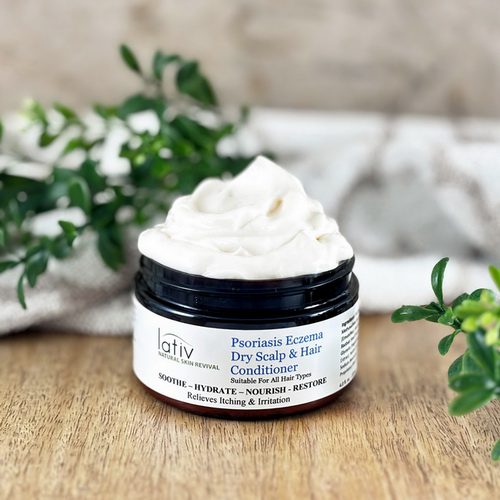
Psoriasis Eczema Dry Scalp & Hair Conditioner. Specifically designed for severely dry, irritated scalps, this conditioner restores moisture, soothes itching, and helps repair the skin barrier with every use. As a result, it’s ideal post-shampoo to lock in hydration and ease tightness.
Volumizing Conditioning Rinse. Lightweight yet deeply hydrating, this conditioner is perfect for fine hair needing softness without buildup. It adds bounce while supporting scalp health and moisture balance.
Nourishing & Moisturizing Conditioner. Rich in plant oils and botanicals, this deeply hydrating conditioner revives dry, flaky scalps and protects hair from breakage. Moreover, it’s perfect for curly, thick, or color-treated hair types dealing with psoriasis symptoms.
Recommended Products



Organic Aloe Vera Spray. This multipurpose mist offers instant cooling relief to inflamed, itchy skin. Additionally, aloe vera hydrates, calms redness, and helps maintain scalp pH, making it perfect for mid-day flare-ups or after styling.
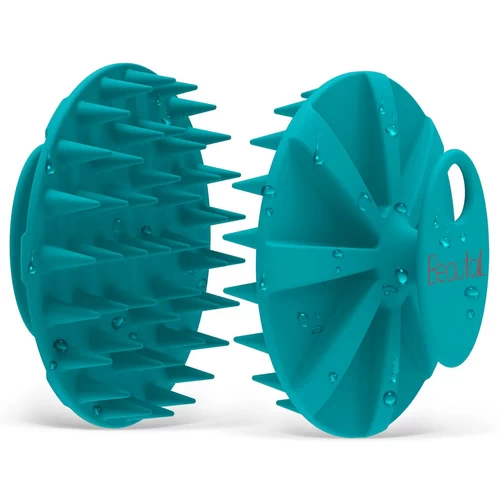
Scalp Massaging Brush Exfoliator. Gently lifts flakes, boosts circulation, and improves product absorption, without irritating sensitive, psoriasis-prone skin.

8 Tips For Washing Your Hair With Scalp Psoriasis
- Pretreat Your Hair:
Apply scale-softening oils to psoriasis patches before showering, allowing 5-10 minutes for the products to take effect. Our Botanical Hair Recovery Serum is a powerful, all-natural pre-shampoo treatment that stimulates the scalp and promotes healthy hair growth while providing intense hydration and relief from itching and burning. - Optimal Water Temperature:
Use warm or room temperature water to prevent exacerbating psoriasis symptoms and keep the scalp calm. - Use Gentle Shampoo:
Switch to gentle Shampoo Bars like our Neem & Tee Tree Shampoo & Body Bar which offers a natural alternative with super-fatty oils to calm and moisturize the scalp while relieving itching, irritation, and inflammation. - Ensure Hair is Completely Wet:
Fully saturate your hair before shampooing to prevent product buildup, which can aggravate psoriasis. - Gentle Scalp Massage:
Use a scalp massager while shampooing to remove scales and flakes, promote relaxation, and reduce stress. - Avoid Scratching:
Refrain from scratching to prevent trauma to the scalp, which can worsen psoriasis symptoms. - Condition and Moisturize:
Always condition after shampooing to keep the scalp moisturized and hair glossy. In particular, look for conditioners that hydrate the scalp. Personally, I prefer to use our Volumizing Hair Conditioning Rinse for fine, frizzy hair. Meanwhile, for normal to thick hair, use our Nourishing and Moisturize Conditioner. Ultimately, transform your hair and soothe your scalp with Psoriasis Eczema Dry Scalp & Hair Conditioner, packed with nourishing ingredients and offering a powerful solution for those battling the discomfort of psoriasis, eczema, and chronic dry scalp. - Air-dry Your Hair:
To avoid heat-triggered flare-ups, air dry your hair whenever possible. If using a hair dryer, opt for the cool air setting.
Living with scalp psoriasis requires patience and care. Consistency is crucial. By following these tips and using scalp-soothing products, you can manage symptoms effectively and maintain healthy hair.
Preventing Scalp Psoriasis Flare-Ups
Maintaining scalp hygiene is crucial for preventing scalp psoriasis flare-ups. Furthermore, regularly wash your hair with a gentle, fragrance-free shampoo to remove excess oil and potential irritants.
Hydrate your scalp regularly to prevent dryness and itching associated with psoriasis. Use moisturizing products like coconut oil or aloe vera to maintain scalp health.
Managing stress is key, as it can trigger flare-ups. Practice stress-reduction techniques such as meditation or yoga to lower stress levels and reduce the risk of exacerbations.
Avoid harsh hair products containing chemicals or fragrances that can irritate the scalp. Opt for gentle, fragrance-free options to minimize inflammation.
Prevent scalp trauma by being gentle when washing and styling your hair. Use a soft-bristled brush and protect your scalp from sunburn and cold weather.
Maintain a balanced diet rich in anti-inflammatory nutrients like omega-3 fatty acids and antioxidants to support overall skin health, including the scalp.
Stay hydrated by drinking plenty of water throughout the day to reduce dryness and itching associated with scalp psoriasis.
Manage your weight to prevent psoriasis flare-ups, as obesity is linked to an increased risk. Adopt a balanced diet and engage in regular physical activity to maintain a healthy weight and support overall skin health.
Moreover, incorporating these preventative measures into your hair care routine and lifestyle can significantly help minimize the risk of scalp psoriasis flare-ups while also promoting scalp health. Therefore, it’s important to consult with a healthcare professional or registered dietitian for personalized recommendations that are carefully tailored to your individual needs.
Medical Red Flags
Consult a dermatologist if you notice:
- Bleeding or cracked skin
- Rapid hair loss or infection signs (redness, swelling)
- No improvement after consistent routine
- Spreading or severe lesions impacting your quality of life
Frequently Asked Questions:
1. Can scalp psoriasis lead to hair thinning—will my hair grow back?
Yes, inflammation and scratching can cause temporary thinning. Fortunately, hair often regrows once flare-ups are managed. To support regrowth, use a Rosemary Mint Shampoo Bar, which stimulates follicles and soothes the scalp.
2. How long should I leave coal tar or medicated shampoo on the scalp?
Leave it on for 5–10 minutes to allow active ingredients to break down plaque. For a natural alternative, apply a Botanical Hair Recovery Serum before washing to soften scales without chemicals.
3. What washes or hair care routines help control scalp psoriasis long-term?
Use a consistent routine: pretreat with Botanical Hair Recovery Serum, wash with Neem & Tea Tree or Rosemary Mint Shampoo Bars, and condition with Psoriasis Eczema Dry Scalp Conditioner or a Moisturizing Conditioner.
4. What role do styling products or tight hairdos play in flare-ups?
Tight styles and harsh products can, over time, worsen inflammation and scaling. Instead, stick to scalp-friendly styling and use Organic Aloe Vera Spray for cooling, daily hydration without added irritation.
5. Are there natural scalp treatments that help without medicated shampoos?
Yes! a Neem & Tea Tree Shampoo Bar and a Botanical Hair Recovery Serum deliver relief with natural ingredients—no medication needed. For best results, pair them with Scalp Massaging Brush to gently remove buildup and boost absorption.
6. Should you wash your hair every day with scalp psoriasis?
Washing your hair with a shampoo bar that targets scalp psoriasis will help treat and prevent symptoms. But other shampoos are not designed for daily use. If your read the directions on most brands, they suggest using their shampoo twice weekly unless your doctor suggests otherwise.
Living with Scalp Psoriasis
Managing scalp psoriasis requires patience, gentle care, and consistency. By combining prevention, natural products, and the right washing techniques, you can reduce flare-ups and improve comfort. At Natural Skin Revival, we provide effective, natural solutions that nourish and protect your scalp while supporting healthier hair and skin.
8 Tips For Washing Your Hair With Scalp Psoriasis – Written By: Mary Ellen Wank, Wellness Advocate and Founder of LATIV, Natural Skin Revival DISCLAIMER
References:
Healthline: Why Do I have an Itchy Scalp?
EverydayHealth: Scalp Psoriasis
National Psoriasis Foundation
The Cleveland Clinic Foundation: Koebner Phenomenon
Recommended Articles:
Are You Washing Your Hair Right?
How to Reverse Hair Loss from Medications
Apple Cider Vinegar Hair Rinse
Banish Bloating, Clear Skin and Feel Amazing
February 24, 2026 10:20 am
Comments are closed here.