

Could Food Trigger Eczema?
Are you struggling with itchy, inflamed skin and wondering if your diet might be the culprit? Many people affected by eczema are unsure whether food is aggravating their skin, or if other environmental or biological triggers are at play. Common questions arise: Could dairy or gluten be worsening my flare-ups? Should I avoid sugar or processed snacks? Does this affect children differently than adults?
At Natural Skin Revival, we help people find natural ways to support their skin health, starting from the inside out. In this guide, you’ll discover how food can influence eczema, which means identifying the biggest dietary offenders, and more importantly, how our soothing skin products can work hand-in-hand with a clean, skin-friendly diet..
Key Takeaway
- Some foods may trigger eczema in sensitive individuals, especially children.
- Sugar, salt, dairy, wheat, processed food, caffeine, and citrus may increase inflammation or cause reactions.
- Food allergies affect eczema more often in kids than adults.
- Elimination diets can help, when done properly.
- Natural Skin Revival’s botanical-rich products restore skin health while supporting dietary changes.
Table of Contents
- Key Takeaways
- What Is Eczema?
- Symptoms Of Eczema
- Can Certain Foods Trigger Eczema Flare-Ups?
- Common Foods That May Cause Eczema Reactions
- Does Sugar Or Processed Food Make Eczema Worse?
- Is Eczema Often Caused By Food Allergies In Kids?
- Food Allergy Vs Food Intolerance In Eczema
- Timing: How Soon Does Food Trigger Eczema?
- Can Caffeine Or Citrus Drinks Cause Flare-Ups?
- Can Dairy Aggravate Eczema Without Allergy?
- Does Gluten Or Wheat Intake Trigger Eczema?
- Should I Try An Elimination Diet For Eczema?
- Why Don’t Medications Eliminate Eczema?
- Treating Eczema with Natural Skin Revival Products
- Frequently Asked Questions
- The Natural Option for Eczema Flares
What is Eczema?
Eczema, also known as atopic dermatitis, is a chronic inflammatory skin condition characterized by dry, itchy, and inflamed skin. It commonly affects children but can persist into adulthood. Eczema’s exact cause is unknown, but it is believed to be related to a combination of genetic, environmental, and immune system factors.
What Are the Symptoms of Eczema?
The symptoms of eczema can vary widely among individuals but typically include:
- Dry, sensitive skin
- Intense itching
- Red, inflamed patches
- Rough, leathery or scaly patches of skin
- Oozing or crusting
- Areas of swelling
Eczema can appear anywhere on the body but is most commonly found on the hands, feet, face, neck, and the insides of the elbows and knees.
Can Certain Foods Trigger Eczema Flare-Ups?
Yes, food can act as a trigger, though it’s rarely the root cause. In some people, consuming specific foods can worsen existing inflammation or provoke a flare-up. These reactions can vary from immediate allergic responses to delayed intolerance symptoms.
Common Foods That May Cause Eczema Reactions
Common food triggers for eczema include:
- Dairy products
- Eggs
- Soy
- Wheat or gluten-containing grains
- Peanuts and tree nuts
- Shellfish
- Nightshades (like tomatoes and peppers)
It’s important to note that these don’t affect everyone with eczema, each body reacts differently.
Does Sugar Or Processed Food Make Eczema Worse?
Processed foods often contain additives, preservatives, and artificial ingredients that can trigger eczema. High levels of sugar and unhealthy fats in processed foods can also lead to inflammation, exacerbating eczema symptoms. A diet high in processed foods can weaken the immune system, making the skin more susceptible to eczema flare-ups.
Is Eczema Often Caused By Food Allergies In Kids?
Food-triggered eczema is more common in children than adults. In fact, 20–30% of children with moderate-to-severe eczema also have food allergies, particularly to milk, eggs, peanuts, and wheat. This is less likely in adults, where flare-ups are usually triggered by stress, environment, or contact irritants.
Food Allergy Vs Food Intolerance In Eczema
Understanding the difference is crucial:
- Food allergies are immediate immune responses, often within 30–60 minutes, and may cause hives, swelling, or worsening eczema.
- Food intolerances are slower reactions that appear over several hours or days, leading to subtle but chronic eczema worsening.
Timing: How Soon Does Food Trigger Eczema?
If eczema is food-related:
- Allergic reactions happen within an hour.
- Intolerance symptoms may take 12–48 hours to show.
That’s why keeping a food diary is a smart way to track and connect symptoms with meals.
Can Caffeine Or Citrus Drinks Cause Flare-Ups?
Yes, in sensitive individuals, caffeinated or citrus-based drinks may:
- Irritate the skin internally
- Increase histamine release
- Disrupt hydration levels
Limiting these beverages may improve skin for those prone to eczema.
Can Dairy Aggravate Eczema Without Allergy?
Absolutely! Dairy is a common trigger for many individuals with eczema. For example, milk, cheese, yogurt, and other dairy products can cause allergic reactions or intolerances, leading to inflammation and worsening eczema symptoms. Therefore, eliminating or reducing dairy intake can help manage eczema more effectively.
Does Gluten Or Wheat Intake Trigger Eczema?
While gluten doesn’t cause eczema directly, it can worsen symptoms in:
- People with celiac disease
- Individuals with non-celiac gluten sensitivity
- Those with a wheat allergy
Eliminating wheat for 4–6 weeks can reveal if gluten affects your eczema.
Should I Try An Elimination Diet For Eczema?
Yes, and you can seek professional advise if you are not certain how to begin. An elimination diet involves:
- Removing suspected foods (like dairy or gluten) for 2–4 weeks
- Reintroducing one at a time to monitor reactions
This approach can uncover food sensitivities while preserving nutrition.
Why Don’t Medications Eliminate Eczema?
Many people mistakenly believe prescription or over-the-counter medication should cure eczema. However, eczema involves more than just surface symptoms. Instead, it’s a chronic condition linked to immune dysfunction, impaired skin barriers, and various environmental or dietary triggers. As a result, medications typically provide only short-term relief rather than a lasting solution.
Here’s why medications fall short:
- They treat symptoms, not the cause. Most creams, ointments, and steroids reduce inflammation, but don’t address internal triggers like food sensitivities or immune imbalances.
- Long-term use can harm skin. Topical steroids, when overused, can thin the skin and make it more reactive.
- They don’t repair the skin barrier. Medications calm flare-ups but rarely restore hydration, pH balance, or barrier integrity.
- They ignore dietary and lifestyle factors. Without addressing what’s fueling inflammation—from food to stress—flare-ups can return.
This is why a holistic approach, combining targeted skincare like Natural Skin Revival’s eczema solutions with dietary changes, offers better long-term results.

Treating Eczema Using Natural Skin Revival Products
Natural skincare products can be an effective way to soothe and manage eczema. In particular, these products are free from harsh chemicals and artificial ingredients that can irritate the skin. As a result, using natural products can help reduce inflammation, moisturize dry skin, and promote healing.
Natural Skin Revival offers a range of products specifically designed to soothe and treat eczema. Check out our Treatment Guide for Adult Eczema and Infants and Children Eczema. Here are some of the top products that can help manage eczema symptoms:
Natural Solution to Treat Eczema
Goat Milk Soaps Goat milk soaps are gentle and moisturizing, making them ideal for sensitive skin. As a result, they help cleanse without stripping the skin of its natural oils, thereby reducing dryness and irritation.
Neem Cream Neem cream has anti-inflammatory and antibacterial properties that can help soothe irritated skin and reduce eczema flare-ups. It is also highly moisturizing, providing relief from dryness.
ProCure Psoriasis & Eczema Repair Balm This repair balm is formulated with natural ingredients that help reduce inflammation, moisturize dry skin, and promote healing. It is specifically designed to treat eczema and psoriasis.
ProCure Psoriasis & Eczema Relief Oil Serum The relief oil serum provides deep hydration and helps to soothe and repair damaged skin. Moreover, it is perfect for managing severe eczema symptoms.
Cuticle & Nail Cream Eczema can affect the cuticles and nails, often leading to dryness and cracking. To combat this, the cream provides targeted moisture and protection, therefore promoting healthier nails and cuticles.
Creamy Eye Treatment Eczema around the eyes can be particularly uncomfortable. This creamy eye treatment is gentle and nourishing, reducing inflammation and providing much-needed moisture.
Baby Dry Skin Eczema Relief Balm Designed for delicate baby skin, this relief balm is gentle and effective in soothing dry, irritated skin. As a result, it helps manage eczema symptoms in infants and young children.
Sensitive Skin Goat Milk Lotion This lotion is specifically formulated for sensitive skin and provides long-lasting moisture without irritating the skin. Moreover, it helps keep the skin hydrated and consequently reduces the risk of eczema flare-ups.
Goat Milk Honey & Oatmeal Soothing Bath Milk A soothing bath milk can provide relief from itching and irritation. In addition, the combination of goat milk, honey, and oatmeal helps to calm and nourish the skin.
-
 Baby Dry Skin Eczema Relief Balm$9.95
 -
 Creamy Eye Treatment$19.95
 -
 Goats Milk Bar Soap Baby Unscented$6.99
 -
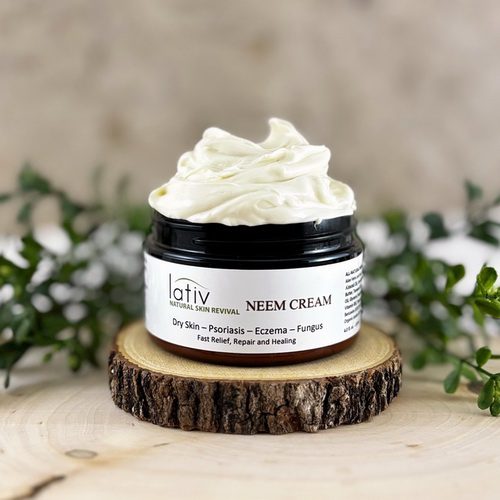 NEEM Cream$14.95
 -
 ProCure Psoriasis & Eczema Repair BalmPrice range: $14.95 through $29.90
 -
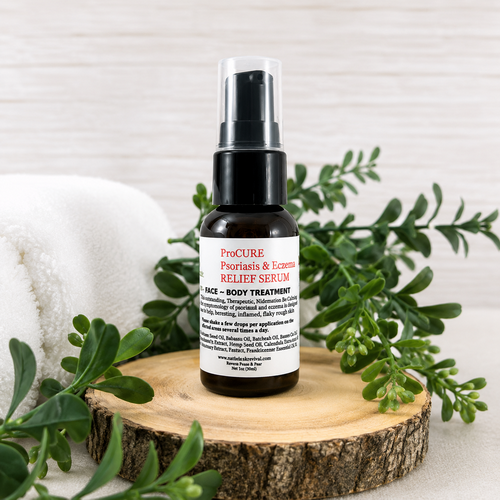 ProCure Psoriasis Eczema Relief Oil Serum$18.95
 -
 Sensitive Skin Goats Milk LotionPrice range: $9.95 through $14.95
Frequently Asked Questions:
1. How common are food-triggered eczema reactions in adults vs children?
In comparison, they’re more common in children (20–30%) and significantly rarer in adults.
2. Which nutritional deficiencies can mimic or worsen eczema?
Deficiencies in vitamin D, zinc, omega-3 fatty acids, biotin, and vitamin E may contribute to flare-ups.
3. Can reintroducing eliminated foods cause new allergies?
Yes. Reintroductions can spark new allergic or intolerance reactions, so it’s best to reintroduce under medical supervision.
4. Do certain spices or preservatives trigger eczema inflammation?
Yes, MSG, artificial dyes, sulfites, and spicy foods can cause inflammation in sensitive individuals.
5. What role do probiotics or fermented foods play in managing eczema?
They help regulate the immune response and reduce skin inflammation by improving gut health.
The Natural Options for Eczema Flares
Effectively managing eczema involves first understanding and then avoiding potential triggers, including certain foods. Additionally, by making thoughtful dietary adjustments and using natural skincare products, individuals with eczema can significantly reduce flare-ups and improve their quality of life. Fortunately, Natural Skin Revival offers a range of products specifically designed to soothe and treat eczema, providing effective relief without harsh chemicals. Ultimately, taking a holistic approach to managing eczema, including diet, lifestyle changes, and natural treatments, can lead to healthier skin and a more comfortable life.
Written By: Mary Ellen Wank, Wellness Advocate and Founder of LATIV, Natural Skin Revival DISCLAIMER
Recommended Reading:
Eyelid Dermatitis (Eczema) Symptoms, Cause & Treatment
Banish Bloating, Clear Skin, and Feel Amazing
Eczema Psoriasis: How to Protect Your Over-Washed Hands
Why Eczema is on The Rise in Children
How Your Gut Affects Your Skin
Food Allergies & Intolerances That Cause Skin Disorders
Chronic Inflammation Can It Affect Your Skin
Comments are closed here.