

How an Anti-Inflammatory Diet Transforms Your Skin and Health
Are you tired of searching ‘what foods reduce skin redness’ or ‘can salmon help acne’? If so, you’re not alone. In fact, many of us wonder which anti-inflammatory foods truly calm breakouts, boost radiance, and improve health, without the guesswork. That’s why, in this guide, you’ll discover the foods to embrace, those to avoid, how dietary patterns like the Mediterranean diet support your skin, and how Natural Skin Revival’s product line seamlessly complements your food choices for truly transformative results.
Key Takeaways
- Embrace whole, nutrient‑rich foods (fatty fish, leafy greens, berries, nuts, olive oil, turmeric, ginger).
- Avoid sugar, processed & seed oils.
- Mediterranean‑style eating provides balanced nutrients that support skin and systemic health.
- Natural Skin Revival products enhance topical support alongside dietary improvements.
Table of Contents
- Key Takeaways
- A Healthy Body = Healthy Skin
- What is an Anti-Inflammatory Diet
- How Does an Anti-Inflammatory Diet Improve Skin Health?
- Anti‑Inflammatory Foods That Help Skin
- Foods to Avoid for Better Skin
- Dietary Patterns That Boost Results
- Timing & How Soon You’ll See Improvement
- How to Start an Anti-Inflammatory Diet
- Natural Skin Revival Products That compliment Your Diet
- The Link Between Gut Health and Skin
- Frequently Asked Questions
- Transforming Skin with Nutrition & Skincare
A Healthy Body = Healthy Skin
It’s no secret—what you eat profoundly affects your skin and overall health. If you’ve been struggling with stubborn skin conditions like eczema, psoriasis, acne, or rosacea, the answer may lie on your plate, not just in a bottle. An anti-inflammatory diet rich in greens, vegetables, fruits, nuts, seeds, and whole grains can not only calm skin flare-ups but also improve your overall health. Understanding how an anti-inflammatory diet transforms your skin and health is crucial in making better dietary choices.
In this article, we’ll first explore what an anti-inflammatory diet is, followed by why it works so effectively. Then, we’ll show you how to start incorporating these healing foods into your daily routine. Finally, we’ll explain how to pair your diet with the best natural skincare products to further amplify your results.
What Is an Anti-Inflammatory Diet?
An anti-inflammatory diet focuses on whole, nutrient-dense foods that naturally reduce inflammation in the body. In many cases, chronic inflammation is actually the root cause of numerous skin disorders. Therefore, addressing it through diet can lead to significant improvements in skin health. The foods you eat can either fuel inflammation or fight it.
This type of diet primarily emphasizes plant-based ingredients like leafy greens, colorful fruits, nuts, seeds, and some whole grains. Moreover, these foods are packed with antioxidants, vitamins, and minerals. As a result, they work synergistically to repair skin cells, reduce redness, and calm irritation.
How Does an Anti-Inflammatory Diet Improve Skin Health?
Inflammation wreaks havoc on the body, and your skin is no exception. When your body is in a constant state of low-grade inflammation—caused by processed foods, sugar, or stress—it shows up in the form of breakouts, redness, dryness, rash, or itchy patches. Find out more about inflammation here.
Here’s how anti-inflammatory foods help:
- Neutralizing Free Radicals: Foods rich in antioxidants reduce oxidative stress, which damages skin cells.
- Boosting Gut Health: A healthy gut leads to glowing skin. Anti-inflammatory foods feed your good gut bacteria.
- Reducing Hormonal Imbalances: Balanced hormones mean fewer acne breakouts.
- Repairing the Skin Barrier: Essential fatty acids in nuts and seeds strengthen the skin’s protective barrier.
Anti‑Inflammatory Foods That Help Skin
If you’re ready to heal your skin and reduce inflammation, start adding these powerhouse foods to your plate.
VEGETABLES
Dark Leafy Greens
Complete List: Spinach, Kale, Swiss Chard, Collard Greens, Mustard Greens, Beet Greens, Turnip Greens, Arugula, Romaine Lettuce, Watercress, Dandelion Greens.
- Why they help: Rich in antioxidants like vitamins A and C, these greens fight free radicals and support collagen production.
- Recommendations: 2-3 cups daily.
- Incorporation tips: Add to smoothies, salads, or sauté.
Cruciferous Vegetables
Complete List: Broccoli, Brussels Sprouts, Cauliflower, Cabbage, Bok Choy, Radishes, Turnips, Kohlrabi, Watercress, Mustard Greens.
- Why they help: Packed with vitamins and sulforaphane, these veggies reduce inflammation and promote skin repair.
- Recommendations: 1-2 cups daily.
- Incorporation tips: Roast as a side dish, toss into stir-fries, or enjoy raw with hummus.
FRUITS
Berries
Complete List: Blueberries, Strawberries, Raspberries, Blackberries, Cranberries, Elderberries, Goji Berries, Acai Berries.
- Why they help: High in antioxidants and vitamin C, berries protect against oxidative stress and support skin elasticity.
- Recommendations: 1-2 cups daily.
- Incorporation tips: Top yogurt or oatmeal, blend into smoothies, or enjoy as a snack.
Citrus Fruits
Complete List: Oranges, Grapefruits, Lemons, Limes, Tangerines, Mandarins, Pomelos.
- Why they help: Loaded with vitamin C, they enhance collagen production and skin tone.
- Recommendations: 1-2 servings daily.
- Incorporation tips: Add to water, use in dressings, or enjoy as a fresh dessert.
HEALTHY FATS
Avocados
Complete List: Avocado varieties like Hass, Fuerte, and Bacon.
- Why they help: Rich in healthy fats and vitamin E, avocados deeply moisturize and repair the skin barrier.
- Recommendations: 1/2 avocado daily.
- Incorporation tips: Spread on toast, mash into guacamole, or add to salads.
Nuts and Seeds
Complete List: Almonds, Walnuts, Pistachios, Hazelnuts, Cashews, Brazil Nuts, Flaxseeds, Chia Seeds, Hemp Seeds, Sunflower Seeds, Pumpkin Seeds.
- Why they help: Provide omega-3 fatty acids and zinc to reduce inflammation and improve skin texture.
- Recommendations: 1-2 ounces daily.
- Incorporation tips: Sprinkle on salads, blend into smoothies, or enjoy as snacks.
PROTEINS
Legumes
Complete List: Lentils, Chickpeas, Black Beans, Kidney Beans, Pinto Beans, Navy Beans, Green Peas, Edamame, Mung Beans.
- Why they help: High in protein and fiber, legumes help maintain skin elasticity and repair.
- Recommendations: 1 cup daily.
- Incorporation tips: Add to soups, salads, or make into dips like hummus.
WHOLE GRAINS
Complete List: Oats, Quinoa, Brown Rice, Barley, Bulgur, Farro, Millet, Buckwheat, Amaranth, Whole Wheat, Rye, Spelt.
- Why they help: High in fiber and essential nutrients, whole grains reduce inflammation and promote a healthy gut, which is key to glowing skin.
- Recommendations: 3-5 servings daily.
- Incorporation tips: Use in salads, breakfast bowls, or as a base for main dishes.
HYDRATION HEROES
Water-Rich Vegetables
Complete List: Cucumber, Celery, Lettuce, Zucchini, Radishes, Bell Peppers, Tomatoes.
- Why they help: Boost hydration and help flush toxins out of the body.
- Recommendations: Unlimited.
- Incorporation tips: Add to sandwiches, enjoy as snacks, or blend into juices.
Herbal Teas
Complete List: Green Tea, Chamomile Tea, Peppermint Tea, Hibiscus Tea, Rooibos Tea, Turmeric Tea, Ginger Tea.
- Why they help: Rich in antioxidants and polyphenols, herbal teas soothe skin and promote glow.
- Recommendations: 2-3 cups daily.
- Incorporation tips: Sip throughout the day or enjoy iced.
Spices: Turmeric & Ginger
Curcumin and gingerols help reduce redness and irritation. Use with black pepper or fats to boost absorption.
Foods to Avoid for Better Skin
- Sugar & Refined Carbs: spike insulin, worsen breakouts.
- Seed & Processed Oils: high in omega‑6, promote inflammation.
- Ultra‑Processed Foods & Fried Fare: contain trans fats and additives.
- Excess Alcohol & Dairy: may dehydrate or trigger flare‑ups in sensitive skin.
Dietary Patterns That Boost Results
Mediterranean Diet
Whole grains, fish, nuts, olive oil, fruits & veggies—this pattern consistently shows skin‑clearing benefits and inflammation reduction.
Other Anti‑Inflammatory Frameworks
DASH and Paleo/AIP diets also stress whole, nutrient‑dense foods with reduced inflammatory triggers
Timing: When You’ll See Results
- Within 2–4 weeks: you may notice improved hydration, fewer breakouts, more natural radiance.
- Across 12–16 weeks: more significant changes, reduced eczema flare‑ups, calmer texture, deeper glow.
Consistency is key, regular habit adherence delivers best outcomes.

How to Start an Anti-Inflammatory Diet
The good news? Switching to an anti-inflammatory diet isn’t complicated. Here’s how to start:
- Meal Prep: Chop veggies, cook grains, and portion nuts to make eating easier.
- Make More: Increase the amount of each meal you make and save them for another meal during the busy work week.
- Snack Smart: Keep a stash of veggies, berries, nuts, and seeds on hand for quick, healthy snacks.
- Ditch the Junk: Say goodbye to processed foods, sugary snacks, and fried foods—they’re inflammation culprits.
- Go Plant-Based: While you don’t need to be vegan, focus 80% of your meals on plant-based foods.
Natural Skincare Products to Complement Your Diet
While diet is the foundation of healthy skin, pairing it with natural skincare can turbocharge your results. At Natural Skin Revival, we’ve curated gentle, effective products for every skin condition. Check out our full range of products tailored to specific skin conditions here.

-
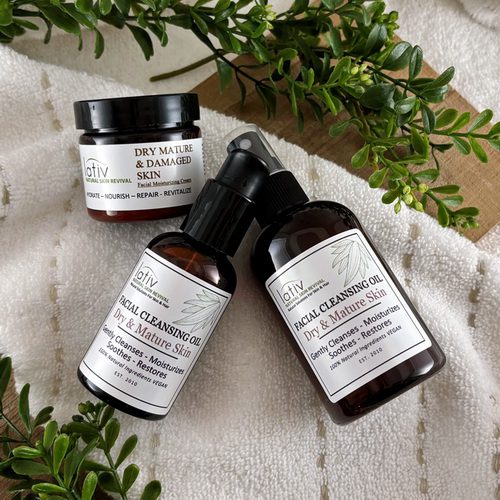 Bundle: Facial Cleansing Dry & Mature SkinProduct on saleOriginal price was: $36.85.$32.40Current price is: $32.40.
 -
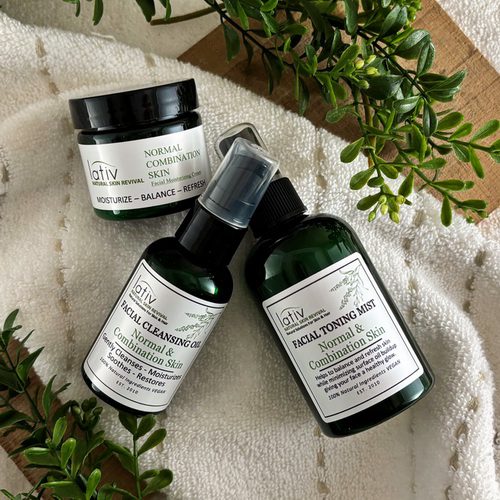 Bundle: Facial Cleansing Normal & Combination SkinProduct on saleOriginal price was: $36.85.$32.40Current price is: $32.40.
 -
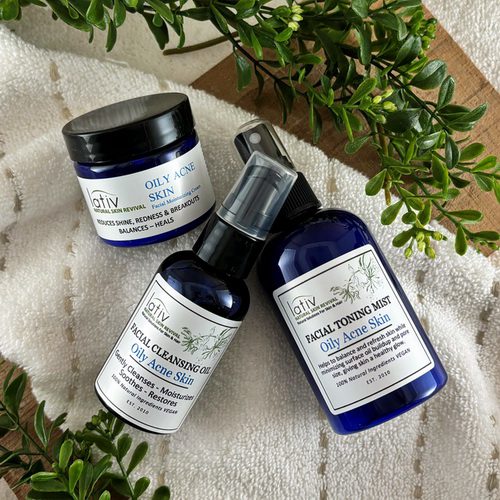 Bundle: Facial Cleansing Oily & Acne SkinProduct on saleOriginal price was: $36.85.$32.40Current price is: $32.40.
 -
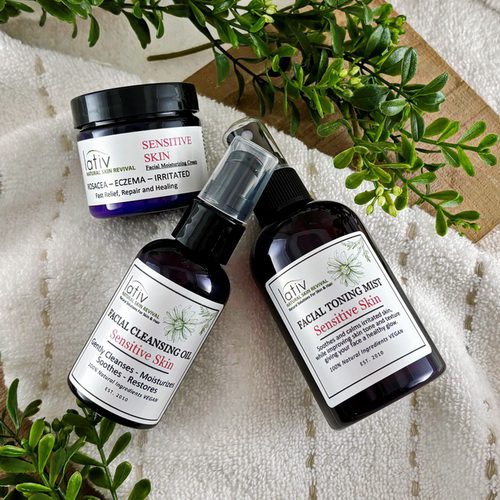 Bundle: Facial Cleansing Sensitive & Rosacea SkinProduct on saleOriginal price was: $36.85.$32.40Current price is: $32.40.
The Link Between Gut Health and Skin
Here’s something fascinating: your gut and skin are closely connected. In fact, this connection is often referred to as the ‘gut-skin axis.’ As a result, an anti-inflammatory diet plays a crucial role by nurturing the gut microbiome. Consequently, this helps reduce systemic inflammation that can otherwise trigger common skin issues.
For an extra boost:
- Include fermented foods like kimchi, sauerkraut, or unsweetened yogurt.
- Drink plenty of water to flush out toxins.
Frequently Asked Questions
1. How does an anti‑inflammatory diet support overall health and skin?
By supplying antioxidants, healthy fats, and fiber, it reduces systemic inflammation that drives skin issues while supporting cardiovascular, metabolic, and gut health.
2. Will cutting out processed and seed oils help skin inflammation?
Yes, reducing omega‑6 heavy oils helps rebalance inflammation. Opt for olive oil or avocado oil instead for healthier skin support.
3. Can anti‑inflammatory foods help eczema and psoriasis?
Absolutely. Foods rich in omega‑3s, antioxidants, and phytonutrients (e.g. berries, leafy greens, fatty fish) help calm eczema, psoriasis, and other inflammatory conditions.
Transforming Skin with Nutrition & Skincare
Adopting an anti‑inflammatory diet, featuring fatty fish, leafy greens, berries, olive oil, nuts, turmeric, and ginger, while avoiding sugary, processed, and seed‑oil foods, can dramatically improve your skin and overall health.
When combined with Natural Skin Revival’s nurturing skincare line, you effectively set the stage for radiant, soothed, and resilient skin. So, start today—and gradually watch your skin’s transformation unfold from the inside out.
Recommended Articles:
Processed Foods: It’s Massive Impact on Your Skin
How Sugar Contributes to Acne, Eczema, Rosacea and Aging
How Your Gut Affects Your Skin
Banish Bloating, Clear Skin and Feel Amazing
July 18, 2025 7:36 am
Comments are closed here.