

Managing Eczema in Teens: Effective Tips and Solutions
Managing eczema in teens can feel overwhelming for both parents and teenagers. Teens face unique challenges, changing hormones, increased stress from school, and active lifestyles that often make eczema flare-ups worse. For parents and caregivers, watching a teen struggle with constant itching, inflamed skin, or embarrassment around peers can be heartbreaking. Fortunately, there are effective ways to help manage symptoms, prevent flare-ups, and restore comfort without relying solely on harsh medications. In this article, we dive into managing eczema in teens offering effective tips and solutions.
Key Takeaway
- Teenage eczema is manageable with the right daily skincare routine tailored to sensitive skin.
- Lifestyle adjustments such as healthy eating, proper sleep, and stress management play a crucial role in reducing flare-ups.
- Natural skincare products are gentler and safer than many conventional treatments, helping teens maintain confidence and comfort.
- With support from parents and caregivers, teens can learn to manage symptoms without embarrassment and lead active, healthy lives.
Table of Contents
- KeyTakeaway
- What is Eczema?
- Symptoms, Appearance, and Duration
- Causes of Teen Eczema
- Lifestyle Impact and Personal Relationships
- Diagnosis of Eczema in Teens
- Prevention Through Lifestyle and Diet
- Conventional Treatments for Teen Eczema
- Why Natural Skincare is a Better Option
- Natural Treatments with Natural Skin Revival Products
- Prevention Tips for Parents & Caregivers
- Frequently Asked Questions About Teen Eczema
- Supporting Your Teen with Eczema
What is Eczema
Eczema, also known as atopic dermatitis, is a chronic skin condition that causes dryness, redness, irritation, and intense itching. For teenagers, flare-ups often worsen during puberty due to hormonal changes, stress, lifestyle choices, and environmental triggers.
Symptoms, Appearance and Duration of Eczema
Recognizing eczema symptoms is crucial for timely management. Symptoms in teens can include:
- Red, inflamed skin: Typically appearing on the face, neck, and the insides of elbows and knees.
- Intense itching: Leading to scratching and potential skin infections.
- Dry, scaly patches: Causing discomfort and sensitivity.
- Blisters: In severe cases, these can ooze and crust over.
Eczema can last for weeks, months, or even years if not properly managed. Flare-ups often happen when teens are stressed, after sports activities that involve sweating, or during seasonal weather changes.
Causes of Teen Eczema
Teen eczema often results from a combination of internal and external triggers. These include:
- Hormonal Changes During Puberty: Shifting hormone levels can intensify skin sensitivity and inflammation.
- Stress and Lack of Sleep: Elevated stress hormones weaken the skin barrier, while poor rest hinders the body’s ability to heal.
- Harsh Skincare or Hair Products: Fragrances, sulfates, and strong chemicals often irritate eczema-prone skin.
- Allergies and Environmental Triggers: Pollen, dust, and pet dander can worsen symptoms.
- Sweat and Friction From Sports: Heat, sweat, and tight athletic wear frequently trigger flare-ups.
- Dietary Triggers: Processed foods, dairy, sugary snacks, and certain allergens (like gluten or nuts) may fuel inflammation and worsen flare-ups.
By identifying and avoiding these triggers, teens can gain better control over their eczema and reduce the frequency of painful outbreaks.
Lifestyle Impact and Personal Relationships
Eczema doesn’t just affect the skin. It impacts self-esteem, confidence, and personal relationships. Many teens feel embarrassed or isolated when flare-ups occur, especially on visible areas like the face, hands, and arms. Encouraging open conversations and teaching them to manage flare-ups builds confidence and independence.
Diagnosis of Eczema in Teens
If symptoms persist or worsen despite home treatments, it’s important to consult a dermatologist. A professional diagnosis ensures proper treatment and helps rule out other skin conditions.
Prevention Through Lifestyle and Diet
Preventing eczema flare-ups in teens involves adopting healthy daily habits:
- Diet: Incorporate anti-inflammatory foods like leafy greens, berries, and omega-3 rich fish. Limit processed and sugary foods.
- Hydration: Encourage teens to drink plenty of water.
- Stress Management: Practice relaxation techniques, yoga, or journaling.
- Sleep Routine: A regular sleep schedule reduces stress-related flare-ups.
- Clothing: Choose breathable, soft fabrics like cotton to avoid irritation.
Conventional Treatments for Teen Eczema
Doctors may prescribe corticosteroid creams, antihistamines, or medicated ointments to control flare-ups. While these can provide relief, long-term use often causes side effects like thinning skin, dependency, or irritation.
Why Natural Skincare is a Better Option
Natural skincare products offer gentle yet effective solutions without harsh chemicals that often worsen sensitive skin. At Natural Skin Revival, our products are formulated to soothe irritation, restore hydration, and strengthen the skin barrier. Perfect for teen eczema management.

Natural Treatments Using Natural Skin Revival Products
Here are some trusted products designed for teens with eczema:
Goat’s Milk Soap (Fragrance-Free): A gentle, unscented cleanser rich in vitamins and minerals that nourish and hydrate without irritation.
Sensitive Skin Goat’s Milk Lotion: Lightweight hydration that locks in moisture and soothes itching.
Creamy Eye Treatment: A delicate formula for eczema-prone skin around the eyes.
Neem Cream: Known for its anti-inflammatory properties, neem helps calm redness and irritation.
ProCure Psoriasis & Eczema Repair Balm: Provides deep healing and relief for stubborn patches.
Facial Cream for Sensitive Skin: A soothing daily moisturizer that helps prevent flare-ups on the face.
Find more product on this Manage Teen Eczema Link
Managing Eczema in Teens: Effective Tips and Solutions. Using these products consistently can help teens maintain a healthy skincare routine that reduces flare-ups and boosts confidence.
Product Recommendations For Teens:
-
 Facial Cream Oily & Acne Prone Skin$12.95
 -
 Facial Wash Rosacea Oily Acne Skin$24.00
 -
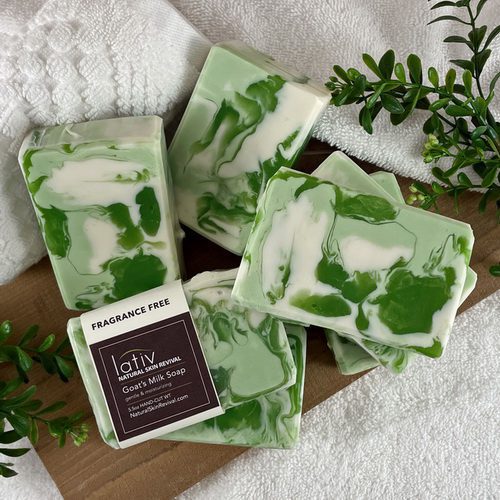 Goats Milk Bar Soap Fragrance Free$6.99
 -
 Neem & Tea Tree Shampoo Body Bar$8.95
 -
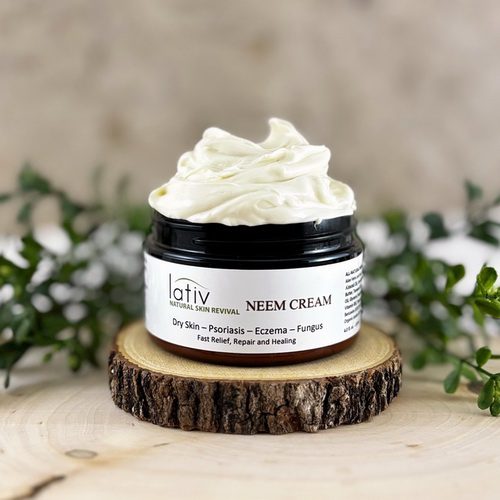 NEEM Cream$14.95
 -
 ProCure Psoriasis & Eczema Repair BalmPrice range: $14.95 through $29.90
 -
 Sensitive Skin Goats Milk LotionPrice range: $9.95 through $14.95
 -
 Soothing Skin Ointment$9.95
Prevention: Helping Teens Reduce Eczema Flare-Ups
Supporting your teen in preventing eczema flare-ups is just as important as treating the condition. Small, consistent lifestyle changes can make a big difference in how often flare-ups occur and how severe they become. Use this prevention guide to help your teen build healthy habits:
Daily Habits That Prevent Flare-Ups
- Stick to a Routine: Consistency matters, daily cleansing with gentle products and regular moisturizing prevents dryness and irritation.
- Hydrate Inside and Out: Encourage your teen to drink plenty of water and use fragrance-free lotions that lock in skin moisture.
- Dress Smart: Choose breathable, loose-fitting clothing made of cotton to reduce friction and irritation.
- Shower After Sports: Sweat is a common trigger. A quick shower with a mild cleanser helps keep skin calm.
- Sleep Well: A consistent sleep routine helps the body recover and reduces stress-related flare-ups.
Nutrition & Lifestyle Support
- Anti-Inflammatory Foods: Include fresh fruits, vegetables, and omega-3-rich foods like salmon or flaxseeds.
- Limit Triggers: Cut back on processed snacks, sugary drinks, and fried foods that may worsen inflammation.
- Stress Management: Encourage journaling, meditation, or hobbies that relax the mind and body.
Caregiver & Parent Tips
- Encourage Independence: Teach your teen how to recognize their triggers and manage flare-ups on their own.
- Provide Safe Products: Choose natural skincare made specifically for sensitive, eczema-prone skin.
- Open Conversations: Remind your teen that eczema doesn’t define them, and many people experience it.
- Support Social Confidence: Reassure them that eczema won’t stop them from enjoying sports, school, or social activities.
Frequently Asked Questions About Teen Eczema
1. Can sports or sweating make eczema worse?
Yes, sweat and friction can trigger flare-ups. Encourage showers immediately after physical activity using gentle cleansers.
2. Why does stress make eczema worse in teens?
Stress increases cortisol levels, which weaken the skin barrier and trigger inflammation. Stress management is key.
3. Can teens wear makeup or use hair products with eczema?
Yes, but choose fragrance-free, hypoallergenic products designed for sensitive skin.
4. When should a teen see a dermatologist for eczema?
If flare-ups persist despite natural treatments or cause severe discomfort, consult a dermatologist for tailored advice.
5. How can teens manage eczema without embarrassment?
Encourage consistency in skincare, use breathable clothing, and reassure them that eczema is common and treatable.
Supporting Your Teen with Eczema
Managing eczema in teens requires a balanced approach, addressing triggers, maintaining healthy lifestyle habits, and using safe, natural skincare products. With the right support from parents and caregivers, teens can take control of their eczema, reduce flare-ups, and regain confidence in their skin.
Managing Eczema in Teens: Effective Tips and Solutions – Written By: Mary Ellen Wank, Wellness Advocate and Founder of LATIV, Natural Skin Revival DISCLAIMER
Recommended Articles:
Why Eczema Is On The Rise In Children + Tips on What to Feed your Eczema Prone Child
How to Make School Easier For Your Eczema-Prone Child
Natural Alternatives to Treat Children’s Eczema
Is Neem Oil Safe For Babies & Pregnant Women
Eczema & Psoriasis – Helpful Ways to Protect Your Skin From Frequent Hand Washing.
August 18, 2025 7:52 am
Comments are closed here.