

Best Natural Bug Repellent: Powerful, Safe Solutions That Truly Work+ Safety Tips
When you’re spending time outdoors, the last thing you want is to worry about bug bites or harsh chemicals. Many people today are asking whether natural bug repellents actually work, if they’re safe for kids, and how they compare to traditional sprays like DEET. The good news is that plant-based repellents, when formulated correctly, can be both effective and gentle on your skin. From essential oils to botanical blends, natural solutions are gaining popularity for their safety, pleasant scents, and eco-conscious benefits.
Key Takeaways
- Natural bug repellents can be effective when using proven ingredients like lemon eucalyptus and citronella.
- They are generally safer for sensitive skin compared to synthetic alternatives.
- Reapplication is necessary because natural ingredients evaporate faster.
- Many essential oils provide protection while nourishing the skin.
- Family-safe formulas exist, but careful selection is important for children and babies.
Table of Contents
- Why Natural Bug Repellents Are Gaining Popularity
- Do Natural Repellents Really Work?
- Best Essential Oils That Repel Bugs Naturally
- Safe Options for Sensitive Skin
- Using Natural Repellents for Kids and Babies
- Duration and Effectiveness Compared to Chemical Sprays
- Ingredients to Avoid in Bug Repellents
- The Hidden Dangers of DEET in Bug Repellents
- Essential Oils: Benefits and Safety
- Safe Application Tips for Healthy Skin
- EPA – Regulating Insect Repellents
- Additional Ways to Prevent Bug Bites Naturally
- Choosing a Safe and Effective Natural Bug Repellent
- Frequently Asked Questions
Why Natural Bug Repellents Are Gaining Popularity
Natural bug repellents have become a preferred choice for individuals seeking safer, plant-based alternatives to conventional insect sprays. Consumers are increasingly aware of ingredient transparency and want products that align with healthier lifestyles.
Unlike synthetic repellents, natural formulas often contain essential oils and botanical extracts that provide dual benefits. They repel insects while supporting skin health, making them ideal for daily outdoor use.
Do Natural Repellents Really Work?
One of the most common concerns is whether natural bug repellents are truly effective compared to traditional options. The answer depends on the ingredients and formulation quality.
Natural repellents can work very well when they include scientifically supported ingredients like oil of citronella, lemongrass, and rosemary. However, they typically require more frequent application because they break down faster in the environment.
Best Essential Oils That Repel Bugs Naturally
Certain essential oils are widely recognized for their insect-repelling properties and pleasant aromas.
Top natural oils include:
- Lemon eucalyptus oil
- Citronella oil
- Lavender oil
- Tea tree oil
- Peppermint oil
- Geranium oil
These oils create a natural barrier that insects find unpleasant, helping reduce bites without exposing your skin to harsh chemicals.
Safe Options for Sensitive Skin
If you have sensitive skin, choosing the right bug repellent is essential to avoid irritation or allergic reactions.
Look for products that are:
- Free from synthetic fragrances.
- Alcohol-free or low-alcohol.
- Formulated with carrier oils like coconut or jojoba.
Natural formulas often soothe the skin while protecting it, making them a great choice for those prone to redness or dryness.
Using Natural Repellents for Kids and Babies
Parents often wonder whether natural bug repellents are safe for children and infants. The answer is yes, with proper precautions.
Key safety tips include:
- Avoid strong essential oils for babies under two years old.
- Use diluted formulas specifically designed for children.
- Apply sparingly and avoid hands, eyes, and mouth.
- Always perform a patch test before full application.
Gentle plant-based repellents can provide protection without compromising your child’s delicate skin.

Duration and Effectiveness Compared to Chemical Sprays
Natural repellents typically do not last as long as chemical-based products, but they can still provide reliable protection when used correctly.
What to expect:
- Natural sprays last about 1–3 hours
- Chemical repellents may last 4–8 hours
- Reapplication is key for consistent protection
While they require more frequent use, natural options offer peace of mind with safer ingredients.
Ingredients to Avoid in Bug Repellents
Understanding what to avoid is just as important as knowing what to use.
Common ingredients to avoid include:
- DEET in high concentrations
- Synthetic ingredients
- Parabens
- Phthalates
These chemicals may cause irritation or raise health concerns, especially with prolonged exposure.
The Hidden Dangers of DEET in Bug Repellents
While DEET has long been considered an effective solution for preventing insect bites, many consumers are becoming more cautious about its potential risks. Understanding these concerns can help you make more informed choices for your skin and overall health.
DEET, or N,N-Diethyl-meta-toluamide, works by interfering with an insect’s ability to detect human scent. Although this makes it highly effective, it also raises questions about how it interacts with the human body, especially with repeated use.
Common concerns associated with DEET include:
- Skin irritation and sensitivity:
Some individuals experience redness, rashes, or burning sensations, particularly with higher concentrations or frequent application. - Absorption into the bloodstream:
Studies have shown that small amounts of DEET can be absorbed through the skin, which raises concerns for long-term exposure. - Potential neurological effects:
In rare cases, excessive use has been linked to headaches, dizziness, and even more serious neurological symptoms, especially in children. - Not ideal for sensitive groups:
Young children, pregnant women, and individuals with sensitive skin may be more vulnerable to its effects, making safer alternatives more appealing. - Environmental impact:
DEET can be harmful to aquatic life and may contribute to environmental pollution when washed off into water systems.
Despite its effectiveness, these concerns have led many families to explore plant-based alternatives that offer protection without compromising safety. Choosing a natural bug repellent can provide peace of mind while still helping you enjoy the outdoors comfortably.
Essential Oils: Benefits and Safety
Essential oils such as lemongrass and citronella are effective natural insect repellents. Some essential oils are recognized for their ability to provide protection comparable to some synthetic products.
However, they should be used carefully, especially around young children, as concentrated forms may be too strong for sensitive skin.
Safe Application Tips for Healthy Skin
Applying bug repellent properly ensures maximum protection while minimizing irritation.
Best practices include:
- Apply to exposed skin only
- Spray into hands before applying to the face
- Avoid cuts, wounds, and irritated areas
- Reapply as needed, especially after sweating or swimming
Following these steps helps maintain both effectiveness and skin health.
EPA – Regulating Insect Repellents
Conventional insect repellents that contain pesticides are regulated by the Environmental Protection Agency (EPA). The EPA evaluates and approves them for human safety and effectiveness “when applied according to instruction on the label.” They are generally synthetic materials that directly kill or inactivate the insects.
Natural bug repellents do not require EPA registration. They are known as “biochemical pesticide”. Biochemical pesticides are naturally occurring substances derived from plants, animals, and other natural materials that control pests by non-toxic mechanisms. They include ingredients like eucalyptus, lemon, citronella, lavender, etc.
The EPA has evaluated the biochemical active ingredients in natural products, like our natural organic bug repellents, for safety, but products made with these ingredients have not been evaluated for effectiveness.
Additional Ways to Prevent Bug Bites Naturally
Beyond sprays, there are several natural strategies that can reduce your exposure to insects.
Helpful methods include:
- Wearing long sleeves and light-colored clothing
- Eliminating standing water around your home
- Using mosquito-repelling plants like basil and citronella
- Installing screens on windows and doors
Combining these methods with natural repellents provides the best overall protection.
Choosing a Safe and Effective Natural Bug Repellent
Choosing the right bug repellent is about more than just avoiding bites, it is about protecting your skin, your health, and your family with ingredients you can trust. While conventional products may offer longer-lasting protection, many people are turning toward plant-based solutions that align with a cleaner, more mindful lifestyle.
At Natural Skin Revival, we believe that effective protection should never come at the cost of your well-being. Our natural bug repellent formulas are thoughtfully crafted using carefully selected botanical ingredients like citronella, lemongrass, and other essential oils known for their ability to deter insects while supporting healthy skin. Each product is designed to be gentle enough for daily use, making it a reliable option for those with sensitive skin and families with children.
Unlike harsh chemical repellents, our blends work in harmony with your body. They provide a breathable layer of protection that feels light on the skin, smells refreshing, and nourishes as it protects. While reapplication may be needed more often, many of our customers find comfort in knowing exactly what they are putting on their skin.
By choosing Natural Skin Revival’s plant-based repellents, you are embracing a safer, more balanced approach to outdoor care. Whether you are heading out for a walk, enjoying time with family, or traveling, you can feel confident knowing your protection is both effective and naturally derived.
-
 Natural Bug Mist RepellentPrice range: $9.95 through $14.95
 -
 Natural Bug Repellent Body Lotion$14.95
Frequently Asked Questions
1. Why do some natural bug repellents wear off faster than others?
Natural repellents often evaporate quicker, so reapplication is needed more frequently.
2. Are natural bug repellents safe for pregnant women and children?
Some are, but certain oils like concentrated lemon eucalyptus should be used carefully or avoided for young children.
3. What’s the safest way to apply bug spray to the face and sensitive areas?
Experts recommend spraying into hands first, then applying, never directly to the face.
4. Can natural bug repellents protect against ticks and disease-carrying insects?
Some do, but effectiveness varies depending on ingredient and concentration.
5. What are the best natural ways to prevent bug bites without using sprays?
Methods include protective clothing, removing standing water, and using natural plants like basil or citronella.
6. How do I apply bug repellent safely without irritating my skin?
Apply to clean skin, avoid sensitive areas, and choose gentle formulations designed for your skin type.
Product Recommendations:
-
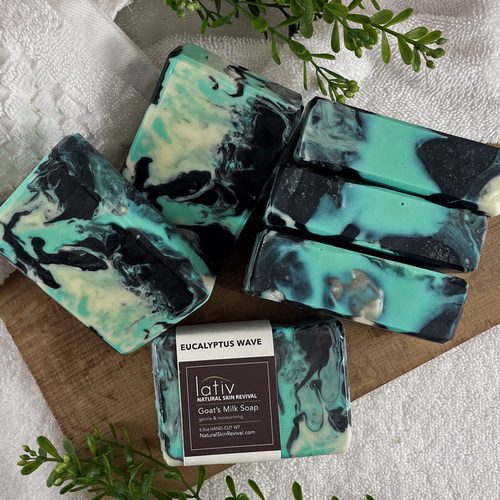 Goats Milk Bar Soap Eucalyptus Wave$6.99
 -
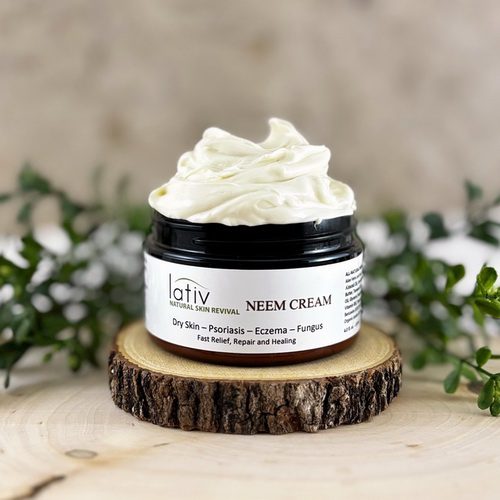 NEEM Cream$14.95
 -
 Organic Aloe Vera Spray$14.95
 -
 SUNCARE Sunblock Body LotionProduct on saleOriginal price was: $19.95.$15.95Current price is: $15.95.
Written By: Mary Ellen Wank, Wellness Advocate and Founder of LATIV, Natural Skin Revival DISCLAIMER
Recommended Articles:
Aloe Vera: Benefits In Skin & Hair Care
Sunblock vs. Sunscreen, What’s The Difference?
The Benefits of Zinc Oxide in Skincare
Shine Control: How to Control Oily Skin During Summer
April 12, 2026 10:53 am
Comments are closed here.