

How To Repel and Prevent Tick Bites Naturally
Spending time outdoors should feel refreshing, not stressful, but concerns about tick exposure can quickly take that peace away. In How To Repel And Prevent Tick Bites Naturally, we address common worries like hidden ticks in grass, the risk of Lyme disease, and the uncertainty around using harsh chemical repellents. Whether you are hiking, gardening, or simply enjoying your backyard, understanding how to protect your skin safely and effectively can help you stay confident outdoors.
Key Takeaways
- Ticks are most active in warm months and thrive in grassy, wooded, and humid environments.
- They are drawn to body heat, carbon dioxide, and movement.
- Natural repellents can be effective but require consistent application.
- Protective clothing and regular tick checks are essential for prevention.
- Natural Skin Revival bug repellent products offer plant-based protection without harsh chemicals.
Table of Contents
- Understanding Ticks And Exposure Risks
- What Happens When You Get Bit
- Appearance Of Tick Bites
- Symptoms To Watch For
- How To Safely Remove A Tick From Your Skin
- Duration And Healing Timeline
- Diagnosis And When To Seek Help
- Safety & Prevention: Conventional Vs Natural
- Real-Life Outdoor Protection Scenarios
- Stay Protected And Enjoy The Outdoors Naturally
- Frequently Asked Questions
Understanding Ticks And Exposure Risks
Ticks are small parasitic arachnids that feed on the blood of humans and animals. They are commonly found in wooded areas, tall grasses, leaf litter, and even residential yards with dense vegetation. People experience the highest exposure while hiking, gardening, camping, or walking through overgrown outdoor spaces.
Ticks are most active between April and October, with peak activity occurring in late spring and early summer. However, in warmer climates, ticks may remain active year-round, increasing the risk of exposure even during mild winters.
Ticks are drawn to several key factors that help them locate hosts efficiently:
- Body heat emitted through skin and clothing
- Carbon dioxide released through breathing
- Movement and vibration in grassy environments
- Natural body scent and skin chemistry
High-risk areas include wooded trails, shaded gardens, tall grass, and areas with wildlife activity. To prevent tick bites naturally when outdoors, it is important to combine awareness, protective clothing, and plant-based repellents.
Wearing long sleeves, tucking pants into socks, and using natural bug repellent sprays can significantly reduce the likelihood of ticks attaching to your skin. These simple steps create a strong first line of defense without relying on harsh chemicals.
What Happens When You Get Bit
When a tick attaches to your skin, it begins feeding slowly and may remain unnoticed for hours or even days. The bite itself is often painless because ticks release a mild anesthetic through their saliva.
During feeding, ticks can transmit bacteria and pathogens, including those responsible for Lyme disease and other infections. The risk of transmission increases the longer the tick remains attached, which makes early detection and removal extremely important.
Appearance Of Tick Bites
Tick bites often appear as small red spots that may resemble minor insect bites. In some cases, the surrounding area becomes slightly swollen or irritated depending on skin sensitivity.
A distinctive bullseye rash may develop in certain cases, especially with Lyme disease. This rash expands outward and may appear several days after the bite occurs.
Common visual signs include:
- Small red bump at the bite site
- Mild swelling or irritation
- Circular rash that gradually expands
- Dark center where the tick was attached
Because tick bites are often subtle, they can easily go unnoticed without a thorough skin check. This is why checking your body after outdoor activities is a critical habit to build.
Symptoms To Watch For
Symptoms following a tick bite can vary depending on the individual and whether any infection was transmitted. Many people experience mild irritation, while others may develop more noticeable symptoms over time.
Common symptoms include:
- Redness and itching around the bite area
- Fatigue or mild body aches
- Fever or chills in some cases
- Headaches or muscle stiffness
In more serious cases, symptoms may progress and require medical evaluation. Early recognition plays a vital role in preventing complications and ensuring proper care.

How To Safely Remove A Tick From Your Skin
Finding a tick attached to your skin can feel alarming, but removing it properly is simple and important. Acting quickly reduces the risk of infection and helps protect your overall health.
Ticks should always be removed as soon as they are discovered. The longer a tick remains attached, the greater the chance it may transmit harmful bacteria into your bloodstream.
Step-By-Step Tick Removal
- Use fine-tipped tweezers for the safest and most effective removal
- Grasp the tick as close to the skin’s surface as possible
- Pull upward slowly and steadily without twisting or jerking
- Avoid crushing the tick’s body during removal
- Ensure the entire tick, including the head, is removed
After removal, clean the bite area thoroughly using soap and water or a natural antiseptic. This helps reduce the risk of irritation and infection.
What To Avoid During Removal
- Do not use heat, matches, or flames to remove the tick
- Avoid applying petroleum jelly or oils to suffocate the tick
- Do not twist or yank the tick abruptly
- Never crush the tick with your fingers
These methods can cause the tick to release more saliva, increasing the risk of exposure to pathogens.
Aftercare And Monitoring
Once the tick is removed, monitor the area closely over the next several days. Mild redness is normal, but expanding rashes or unusual symptoms should not be ignored.
Watch for:
- Increasing redness or swelling
- Development of a bullseye-shaped rash
- Fever, fatigue, or body aches
If any concerning symptoms appear, seek medical guidance promptly. Early attention ensures the best possible outcome.
Natural Skin Support After Removal
Using gentle, plant-based skincare products can help soothe the skin after a tick bite. Ingredients such as aloe vera, lavender, and chamomile can calm irritation and support healing.
Applying a natural bug repellent afterward can also help prevent future bites, especially if you plan to return outdoors.
RECOMMENDED PRODUCTS
-
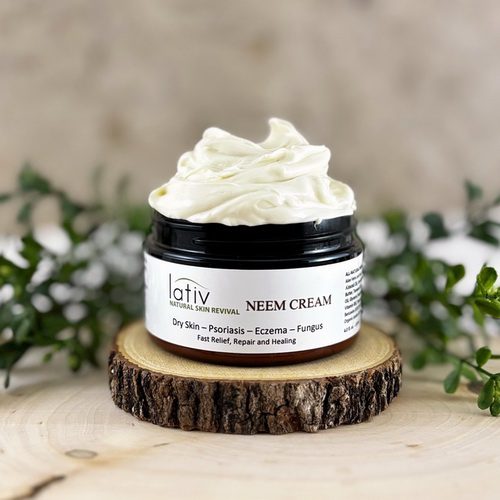
NEEM Cream
$14.95 -

Organic Aloe Vera Spray
$14.95 -

Soothing Skin Ointment
$9.95 -

Goats Milk Bar Soap Lavender Chamomile
$6.99
Duration and Healing Timeline
Most tick bites heal within a few days to a week if no infection occurs. Mild redness and irritation typically fade gradually as the skin repairs itself.
If a rash develops or symptoms persist beyond one week, it is important to monitor closely and seek guidance. Early treatment can help prevent long-term issues and support faster recovery.
Consistent use of natural soothing ingredients, such as botanical oils and skin-calming extracts, can also promote healing while reducing irritation.
Diagnosis And When to Seek Help
Diagnosis of tick-related illnesses is based on symptoms, medical history, and potential exposure. If you experience flu-like symptoms or notice a spreading rash, medical evaluation is recommended.
Healthcare providers may perform blood tests or clinical assessments to determine whether treatment is necessary. Acting early improves outcomes and ensures proper management.
Regular self-checks after outdoor exposure remain one of the most effective ways to reduce the need for medical intervention.
Safety & Prevention: Conventional Vs Natural
Conventional Protection Using DEET
DEET is one of the most widely used chemical repellents and is known for its effectiveness in repelling ticks and other insects. However, concerns about long-term exposure and skin sensitivity have led many individuals to seek safer alternatives.
Potential drawbacks of DEET include:
- Skin irritation, especially for sensitive individuals
- Strong chemical odor
- Concerns about repeated exposure over time
- Not ideal for frequent daily use in natural lifestyles
While DEET can be effective, many people prefer to avoid synthetic chemicals when possible.
Natural Protection With Plant-Based Repellents
Natural Skin Revival bug repellent mist and lotion offer a safer, plant-based approach to tick prevention. These products are formulated with plant based ingredients and essential oils known to repel ticks while supporting healthy skin.
Effective essential oils include:
- Lemongrass oil for its strong insect-repelling scent
- Citronella s oil for natural protection
- Rosemary oil to deter ticks and insects
- Lavender oil for calming and protective benefits
Natural repellents work best when applied consistently and paired with protective habits. While they may require more frequent reapplication than chemical options, they provide peace of mind without harsh ingredients.
-
 Natural Bug Mist RepellentPrice range: $9.95 through $14.95
 -
 Natural Bug Repellent Body Lotion$14.95
Are Natural Repellents As Effective As Chemical Ones
Natural repellents can be highly effective when used properly, especially in moderate exposure environments. They work best when reapplied every few hours and combined with clothing barriers and environmental awareness.
For individuals seeking a balance between effectiveness and safety, natural solutions offer a practical and skin-friendly option.
Real-Life Outdoor Protection Scenarios
When hiking through wooded trails, applying bug repellent mist to exposed skin and clothing creates a protective barrier. Wearing light-colored clothing helps you spot ticks more easily before they attach.
While gardening, using bug repellent lotion on arms and legs helps keep ticks off your skin. Keeping grass trimmed and removing leaf litter reduces tick habitats in your yard.
After outdoor activities, performing a full-body check is essential. Focus on areas such as behind the knees, underarms, scalp, and waistline where ticks commonly hide.
Simple daily habits can make a significant difference in reducing exposure and maintaining confidence outdoors.
Additional Safety Tips
Keep your family safe this bug season with these safety tips:
- Wear clothing that covers skin with elastic on ankles and wrists
- Tuck pants into socks
- Wear boots and hats when hiking
- Always inspect your body for ticks as soon as you come in from outdoors
- Shower within 2 hours from leaving outdoors to help wash away any unattached ticks
- Stay on trails when hiking in woods
Stay Protected And Enjoy The Outdoors Naturally
Protecting yourself from ticks does not require compromising your health or relying on harsh chemicals. With the right knowledge, consistent habits, and natural repellents, you can confidently enjoy outdoor activities while minimizing risk.
Choosing plant-based solutions, wearing protective clothing, and staying aware of your environment creates a strong defense against tick exposure. By combining these strategies, you can keep your skin safe, healthy, and naturally protected every time you step outside.
Frequently Asked Questions
1. Why do some people seem to attract more ticks than others?
Differences in body heat, scent, and activity level can increase exposure and attraction.
2. How long do natural tick repellents last compared to chemical options?
Natural repellents often wear off faster and require more frequent reapplication.
3. What natural ways can I make my yard less attractive to ticks?
Reducing tall grass, leaf litter, and moisture can significantly lower tick populations.
4. Are natural tick repellents safe for kids and pets?
Some are, but certain essential oils must be diluted and used cautiously.
5. Can diet, hygiene, or skincare products affect how attractive I am to ticks?
Body scent and skin chemistry may influence how easily ticks detect you, similar to other biting insects.
6. How do I check for ticks after being outdoors?
Perform a full-body inspection, paying close attention to warm and hidden areas like the scalp and joints.
Written By: Mary Ellen Wank, Wellness Advocate and Founder of LATIV, Natural Skin Revival DISCLAIMER
Recommended Articles:
Best Natural Bug Repellent + Safety Tips
Aloe Vera: Benefits In Skin & Hair Care
Sunblock vs. Sunscreen, What’s The Difference?
The Benefits of Zinc Oxide in Skincare
Shine Control: How to Control Oily Skin During Summer
April 10, 2026 10:05 am
Comments are closed here.