

Managing Skin Disorders During The Holidays
The holiday season brings joy, connection, and celebration, yet it can also intensify flareups for eczema, psoriasis, rosacea, and acne. Between travel, changing weather, rich meals, indoor heating, and stress, many people wonder why their skin becomes reactive. Managing Skin Disorders During the Holidays becomes essential when your skin is already sensitive and overwhelmed by seasonal triggers. This guide helps you stay calm, clear, and confident, even when the season turns hectic.
Here’s the good news: by adopting simple natural remedies, making mindful lifestyle changes, and using gentle skincare products, you can keep your skin calm, nourished, and radiant throughout the holidays.
Key Takeaways
- Holiday stress, travel, alcohol, sweets, and cold weather can trigger common skin disorders.
- Small changes to diet, sleep, and hydration reduce flareups significantly.
- Adjusting your moisturizer and cleanser helps protect your skin barrier from indoor heat and dry air.
- Personalized skincare for eczema, psoriasis, rosacea, and acne keeps symptoms manageable through busy weeks.
- Seek dermatological help when symptoms worsen or new reactions appear.
Table of Contents:
- How Holiday Diets Affect Skin
- Stress & Skin Disorders
- Skincare Tips for Each Skin Condition
- Holistic Approach to Long-Term Skin Health
- Frequently Asked Questions
- Your Holiday Skincare Action Plan
How Holiday Diets Affect Skin
Holiday foods are rich, sugary, salty, and often paired with alcohol. These ingredients can destabilize your skin barrier and increase inflammation. Sugar and processed carbohydrates cause quick spikes in blood glucose, which may amplify acne breakouts and cystic acne. Fatty foods and dairy can worsen hormonal fluctuations in some individuals. Alcohol dehydrates your skin, disrupts sleep, and intensifies redness for rosacea-prone skin.
If you struggle with eczema or psoriasis, certain indulgences, like wine, beer, hard liquor, fried foods, and sweets, may also trigger flareups. Alcohol widens blood vessels, which can worsen rashes or dryness. Cold-weather parties often include salty snacks that increase water loss in already delicate skin. Choosing lean proteins, vegetables, and hydrating drinks supports a calmer complexion.
Moderation helps your skin look and feel better. Eating slowly and choosing whole-food options whenever possible strengthens your body’s natural healing response.
Instead of indulging in sweets and creamy dishes, opt for:
- Fresh fruits like berries and apples, which are rich in antioxidants.
- Healthy fats such as avocados, nuts, and seeds.
- Whole-grain alternatives like steel cut oats, quinoa or wild rice for a satisfying, skin-friendly meal.
Quick Tip: Stay hydrated! Drinking water helps flush toxins that could trigger flare-ups. Aim for at least 8 glasses a day, and consider sipping on green tea for its anti-inflammatory properties.
Stress and Skin Disorders
Holiday stress affects your skin more than you may realize. Increased cortisol production can disrupt oil balance, weaken the skin barrier, and trigger flareups in acne, rosacea, eczema, and psoriasis. Many people experience worsening redness, dry patches, and breakouts when juggling travel, shopping, hosting, or family gatherings.
Stress reduces sleep quality, which influences inflammation and increases sensitivity. Combined with cold weather, holiday décor, and rapid indoor temperature changes, your skin may feel overwhelmed. Taking mindful breaks, staying hydrated, and practicing small self-care rituals protects your skin through hectic weeks.
To keep stress in check:
- Practice mindfulness or meditation for 10 minutes daily.
- Prioritize sleep (7-8 hours per night) to allow your skin to repair itself.
- Exercise regularly, even if it’s a brisk walk after dinner.
Did You Know? Deep breathing exercises can reduce cortisol levels in just minutes. Try inhaling for four seconds, holding for four, and exhaling for six.
Skincare Tips for Each Condition
Acne and Cystic Acne
Acne often worsens from holiday sugar, dairy, late nights, and stress. Travel also exposes your skin to unfamiliar water, climate changes, and disrupted routines. Use gentle, non-stripping cleansers and stay consistent with exfoliation. Find our complete line of facial skincare for Oily and Acne prone skin here: Facial Treatment Oily Acne Prone Skin.
- Choose a Gentle Cleanser: Use a non-drying, chemical free cleansers to avoid stripping your skin of natural oils and to keep pores clear.
- Exfoliate Wisely: Use a mild exfoliant (like salicylic acid) 1-2 times a week to remove dead skin cells without over-drying.
- Keep Your Skin Hydrated: Use an lightweight, non-comedogenic moisturizer to maintain balance and prevent overproduction of oil.
- Go Light on Makeup: Choose non-comedogenic and breathable makeup products to avoid clogging your pores.
- Be Mindful of Holiday Treats: Limit sugary foods and dairy, which are common triggers for breakouts.
- Stay Hydrated: Drink plenty of water and green tea to flush out toxins and reduce inflammation.
Pro Tip: Always remove your makeup before bed – no matter how tired you are. Overnight buildup can wreak havoc on your skin!
Product Recommendations:
-
 Blemish Rescue & Relief Oil Serum$18.95
 -
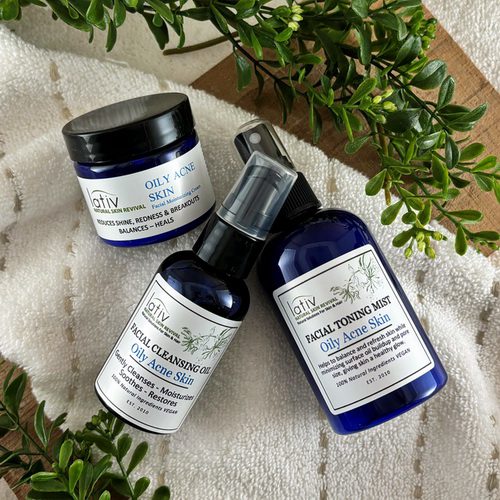 Bundle: Facial Cleansing Oily & Acne SkinProduct on saleOriginal price was: $36.85.$32.40Current price is: $32.40.
 -
 Facial Cleansing Scrub Rosemary Mint$16.00
 -
 Facial Wash Rosacea Oily Acne Skin$24.00
Rosacea & Sensitive Skin
Rosacea becomes highly reactive during the holidays due to temperature changes, spicy foods, alcohol, stress, and indoor heating. Warm rooms, fireplaces, and holiday lighting often trigger flushing episodes. Here’s how to keep your skin calm:
- Protect Against the Cold: Use a scarf to shield your face from freezing winds, and always apply a barrier cream.
- Hydrate Your Skin: Use a lightweight moisturizer with soothing ingredients like aloe vera, chamomile, or niacinamide.
- Skip the Spice: Avoid spicy foods and hot drinks, as they can dilate blood vessels and worsen redness.
- Limit Alcohol: Alcohol, especially red wine, is a known rosacea trigger. Choose sparkling water or herbal teas instead.
- Use SPF Daily: Even during winter, UV rays can aggravate rosacea. Apply a gentle sunscreen daily.
- Cool Down Redness: Keep a calming facial mist on hand for instant relief if redness flares up.
Pro Tip: Choose fragrance-free and hypoallergenic skincare products to prevent irritation. Find our complete line of facial products for Rosacea and Sensitive Skin here: Facial Treatment for Rosacea Sensitive Skin.
Product Recommendations:
-
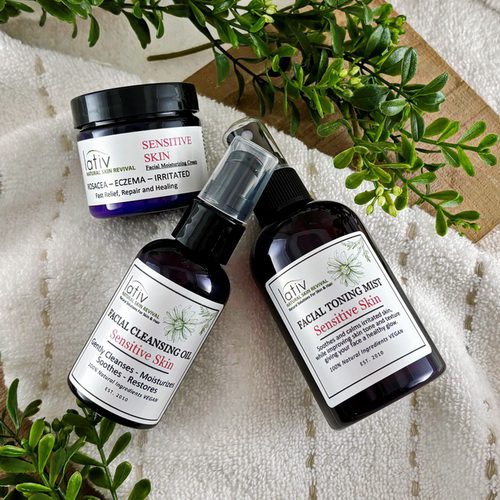 Bundle: Facial Cleansing Sensitive & Rosacea SkinProduct on saleOriginal price was: $36.85.$32.40Current price is: $32.40.
 -
Facial Wash Rosacea Oily Acne Skin$24.00
-
 Rapid Relief Facial Oil Serum$18.95
 -
 Sea Buckthorn Ultra Calming Repair Cream$19.95
Eczema Skin Adult & Youth
Eczema flareups become more common in winter due to cold temperatures, dry indoor air, fragrances, and stress. Many people experience itching that worsens while traveling or during holiday gatherings. Find our complete line of products for Eczema skin here: Adult Eczema, Youth Eczema.
- Choose a Gentle Cleanser: Use a non-drying, chemical free cleansers to avoid stripping your skin of natural oils.
- Moisturize Immediately: Apply a thick, fragrance-free moisturizer or balm right after showering to lock in hydration.
- Avoid Wool Clothing: Stick to soft, breathable fabrics like cotton to prevent irritation.
- Skip Long, Hot Showers: Keep showers short and lukewarm to prevent your skin from drying out.
- Use a Humidifier: Add moisture to indoor air to combat dryness caused by heaters.
- Spot Treat Flare-Ups: Carry a healing balm, such as calendula-based creams, to apply when patches start to itch.
Pro Tip: Add an oatmeal or baking soda bath to your routine for added relief from itching and dryness.
Product Recommendations:
-
 Baby Dry Skin Eczema Relief Balm$9.95
 -
 Bundle Psoriasis Eczema Relief BodyProduct on saleOriginal price was: $64.79.$58.00Current price is: $58.00.
 -
 Goat Milk Honey & Oatmeal Soothing Bath Soak Lavender Chamomile$14.95
 -
 Sensitive Skin Goats Milk LotionPrice range: $9.95 through $14.95
Psoriasis Flareups
Holiday stress, dry air, cold temperatures, and alcohol often intensify psoriasis symptoms. The season’s fast pace makes flareups more likely, especially when sleep becomes inconsistent. Find our complete line of products for Psoriasis here: Psoriasis Skincare Treatment.
- Stick to Anti-Inflammatory Foods: Add plenty of leafy greens, sweet potatoes, and omega-3-rich foods to your holiday plate.
- Moisturize Frequently: Use a heavy moisturizer or an wax-based product to prevent scaling and cracking.
- Avoid Harsh Soaps: Opt for gentle, pH-balanced cleansers that won’t irritate your skin.
- Stay Warm Safely: Use layers to stay warm but avoid tight clothing that could irritate plaques.
- Manage Stress: Incorporate daily relaxation techniques like meditation or yoga to minimize stress-induced flare-ups.
Pro Tip: Keep emollient-rich balms or products with ingredients like shea butter handy for emergencies.
Product Recommendations:
-
 Neem & Tea Tree Shampoo Body Bar$8.95
 -
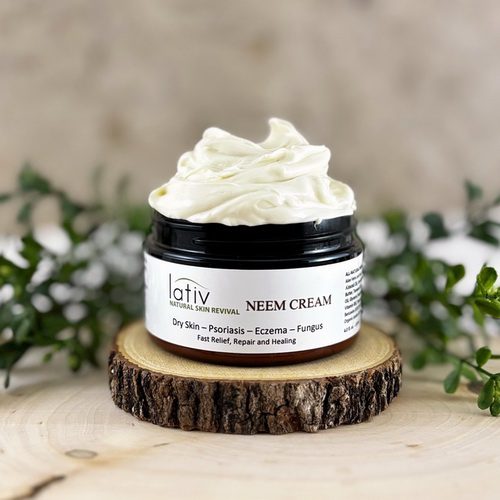 NEEM Cream$14.95
 -
 ProCure Psoriasis & Eczema Repair BalmPrice range: $14.95 through $29.90
 -
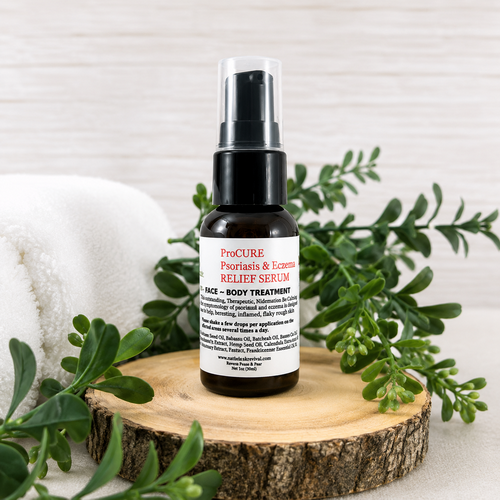 ProCure Psoriasis Eczema Relief Oil Serum$18.95

Holistic Approach to Long-Term Skin Health
Adopt a Skin-Friendly Diet
Your skin reflects what you eat. Incorporating whole, plant-based foods into your diet can reduce inflammation and nourish your skin. Focus on:
- Leafy greens like kale and spinach.
- Brightly colored veggies like carrots and sweet potatoes (rich in beta-carotene).
- Fatty fish or flaxseeds for omega-3 fatty acids.
Check out plant-based recipes at Forks Over Knives for inspiration.

Support Your Skin with Natural Remedies
Consider incorporating natural skincare products to manage your skin disorders during the holidays. Like those available here at Natural Skin Revival. Products with ingredients like calendula, tea tree oil, and chamomile can soothe irritation and reduce redness.
Mindful Holiday Practices
- Practice Gratitude: Reflecting on what you’re thankful for can lower stress.
- Take Breaks: Sneak in quiet moments to recharge during busy days.
- Set Boundaries: Don’t be afraid to say no to activities that may overwhelm you.
Frequently Asked Questions
1. Can holiday food worsen my skin condition?
Yes, processed foods, sugar, and dairy can increase inflammation and trigger flare-ups. Stick to whole foods whenever possible and load up on those anti-inflammatory foods.
2. How do holiday sweets, sugar, and rich foods trigger skin disorder flareups?
They increase inflammation, disrupt hormones, and weaken the skin barrier, which can worsen acne, eczema, rosacea, and psoriasis.
3. What role does alcohol and late nights play in worsening skin disorders during holiday celebrations?
Alcohol dehydrates skin and increases redness. Lack of sleep elevates stress hormones, which triggers flareups and slows healing.
4. What simple stress management and skin care rituals help reduce skin disorder flareups while socializing and hosting?
Engage in calming activities like yoga, journaling, or meditation. Sleep and hydration are also critical.
5. How can I prevent dry, irritated skin in winter?
Use a thick moisturizer, avoid hot showers, and consider investing in a humidifier.
6. Should I change my skincare routine for the holidays?
Not necessarily. Focus on consistency but adapt based on environmental changes like cold weather or increased makeup use.
7. What travel and packing tips help maintain skin health for someone with a skin disorder during holidays?
Bring travel-sized versions of your routine, avoid hotel soaps, drink plenty of water, and use a portable humidifier if the air feels dry.
Your Holiday Skincare Action Plan
The holidays are a whirlwind of joy, but they don’t have to wreak havoc on your skin. Managing your skin disorders during the holidays takes an understanding and commitment to personal health. By understanding your triggers, maintaining a consistent skincare routine, and adopting a healthy lifestyle, you can minimize flare-ups and enjoy glowing, radiant skin all season long.
For all-natural solutions tailored to your skin condition, choose Natural Skin Revival. Empower yourself with knowledge, embrace mindful practices, and give your skin the love it deserves this holiday season.
Written By: Mary Ellen Wank, Wellness Advocate and Founder of LATIV, Natural Skin Revival DISCLAIMER
Recommended Articles:
How Processed Foods Are Trashing Your Skin
How Sugar Contributes to Acne, Eczema, Rosacea and Aging
Effects of Stress on Skin & Ways to Handle It
Eyelid Dermatitis (Eczema) Symptoms, Cause & Treatment
Banish Bloating, Clear Skin and Feel Amazing
November 23, 2025 7:00 am
Comments are closed here.