
Treat and Manage Rosacea Without Medication
Dealing with redness, flare-ups, and sensitive skin can feel overwhelming. Treat and Manage Rosacea Without Medication offers a calming alternative. Many people worry about harsh side effects from conventional treatments. Others feel frustrated when prescriptions fail to deliver lasting results. This guide explores how natural skincare and lifestyle changes can restore balance, soothe irritation, and support long-term skin health.
Key Takeaways
- Rosacea is a chronic inflammatory condition that requires gentle, consistent care
- Natural treatments can calm redness without harsh side effects
- Lifestyle and diet play a major role in preventing flare-ups
- Avoiding triggers is essential for long-term improvement
- Natural Skin Revival products support barrier repair and hydration
Table of Contents
- What Is Rosacea
- Appearance of Rosacea
- Symptoms of Rosacea
- Causes of Rosacea
- Lifestyle Impact and Relationships
- Prevention Through Lifestyle and Diet
- Diet and Trigger Awareness
- Stress and Rosacea Connection
- Ingredients to Avoid
- Conventional Treatments and Side Effects
- Why Natural Skincare Is a Better Option
- Treating Rosacea with Natural Skin Revival
- Building a Rosacea-Friendly Skincare Routine
- Managing Flare-Ups Naturally
- Expected Timeline for Results
- A Calmer Path to Healthier Skin
- Frequently Asked Questions
What is Rosacea?
Rosacea is a chronic skin condition characterized by persistent redness, flushing, visible blood vessels, and often, bumps or pimples resembling acne. While it typically affects the face, it can also manifest on the neck, chest, scalp, and ears. Rosacea tends to develop gradually and may worsen over time if left untreated.
The National Rosacea Society (NRS) has designated April as Rosacea Awareness Month to alert the public to the warning signs and the importance of seeking early diagnosis and finding a treatment plan. Left untreated, rosacea can get worse.
Appearance of Rosacea
The appearance of rosacea varies among individuals but commonly presents as:
Persistent Redness: This hallmark symptom involves a flushed or reddened complexion, particularly in the central part of the face.
Visible Blood Vessels: Also known as telangiectasia, these dilated blood vessels are often visible on the cheeks, nose, chin, and forehead.
Papules and Pustules: Some individuals may experience acne-like bumps or pus-filled lesions, particularly in the more severe cases of rosacea.
Skin Thickening: In advanced stages, the skin may become thicker and develop a bumpy texture, especially around the nose (rhinophyma).
Symptoms of Rosacea
Aside from its visible manifestations, rosacea can cause discomfort and sensitivity, with symptoms including:
Stinging or Burning Sensation: The skin may feel hot, tender, or irritated, particularly during flare-ups.
Dryness and Tightness: Rosacea-prone skin often feels dry, tight, and rough to the touch.
Ocular Symptoms: In some cases, rosacea may affect the eyes, causing irritation, dryness, redness, and even vision problems if left untreated.
Cause of Rosacea
While the exact cause of rosacea remains elusive, several factors are believed to contribute to its development, including:
Genetics: A family history of rosacea may increase one’s susceptibility to developing the condition.
Abnormal Blood Vessel Function: Dysfunction in the blood vessels of the face may lead to persistent redness and flushing.
Environmental Triggers: Exposure to certain triggers such as sunlight, extreme temperatures, spicy foods, alcohol, and stress can exacerbate rosacea symptoms.
Microorganisms: Certain microbes, such as Demodex mites and bacteria like H. pylori, have been associated with rosacea, though their exact role is still under investigation.

Lifestyle Impact and Personal Relationships
Rosacea affects more than just the skin. It can impact confidence and emotional well-being. Many people feel self-conscious during flare-ups. This can affect social interactions and relationships. Managing symptoms naturally helps restore confidence and comfort.
Prevention: Lifestyle Changes and Diet
Preventing flare-ups starts with understanding triggers. Sun exposure, alcohol, spicy foods, and stress often worsen symptoms.
A balanced diet rich in anti-inflammatory foods can help. Include leafy greens, omega-3 fats, and antioxidant-rich fruits. Hydration also supports skin barrier health. Avoid processed foods and sugary drinks whenever possible.
Diet and Trigger Awareness
Certain foods can trigger rosacea symptoms. Common culprits include alcohol, spicy foods, and caffeine. Keeping a food diary helps identify personal triggers. Replace inflammatory foods with nutrient-rich alternatives.
Stress and Rosacea Connection
Stress is a major trigger for many individuals. It increases inflammation and worsens symptoms. Practicing mindfulness, yoga, or breathing exercises can help manage stress levels effectively.
Ingredients to Avoid
Avoid products containing alcohol, synthetic fragrances, and harsh exfoliants. These can damage the skin barrier. Opt for gentle, natural ingredients that support healing and hydration.
Conventional Treatment (Side Effects)
Traditional treatments often include antibiotics or topical medications. These may reduce symptoms temporarily. However, side effects can include dryness, irritation, and increased sensitivity. Long-term use may disrupt the skin barrier. Many people find these treatments do not address the root cause.
Why Natural Skincare Is a Better Option Than Conventional Treatments
Natural skincare supports healing instead of masking symptoms. It strengthens the skin barrier, reduces inflammation, and avoids harsh synthetic irritants.
At Natural Skin Revival, the focus is on effective, affordable solutions that reduce reliance on pharmaceuticals. While medications may offer temporary relief, they often ignore underlying causes and lifestyle triggers.
Rosacea is often linked to internal imbalances, meaning topical care alone is not enough. True, lasting improvement comes from a holistic approach that includes gentle skincare, balanced nutrition, and healthy daily habits.
By nourishing the body from within and choosing calming, plant-based products, individuals can achieve long-term relief and healthier, more radiant skin.

Treating Rosacea With Natural Skin Revival
When it comes to managing rosacea, many individuals prefer natural skincare products over pharmaceutical options due to their gentleness and minimal risk of side effects. We offer a range of natural skincare solutions specifically formulated to soothe and calm rosacea-prone skin.
Our products harness the power of botanical ingredients known for their anti-inflammatory, antioxidant, and hydrating properties, providing effective relief without harsh chemicals or irritants. We understand the importance of gentle yet effective skincare solutions for managing rosacea.
Our curated selection of products for rosacea includes:
- Facial Cream Sensitive Skin: A soothing moisturizer that reduces redness and strengthens the skin barrier. Ideal for daily hydration.
- Ultra-Calming Repair Cream: Rich in antioxidants and fatty acids. Helps repair damaged skin and reduce inflammation.
- Rapid Repair Face Oil Serum: Targets flare-ups and provides immediate calming effects. Perfect for sudden redness.
- Facial Toning Mist: Refreshes and soothes throughout the day. Maintains hydration and balance.
- Calm & Restore Hyaluronic Acid Serum: Deeply hydrates and plumps the skin. Supports healing and reduces irritation.
- Face Wash: Rosacea, Oil, Acne Prone Skin: A gentle cleanser that removes impurities without stripping natural oils. Helps maintain balance.
- Light Face Cream for Men Sensitive Blemished Skin: Lightweight hydration designed for sensitive male skin. Absorbs quickly without clogging pores.
Product Recommendations:
-
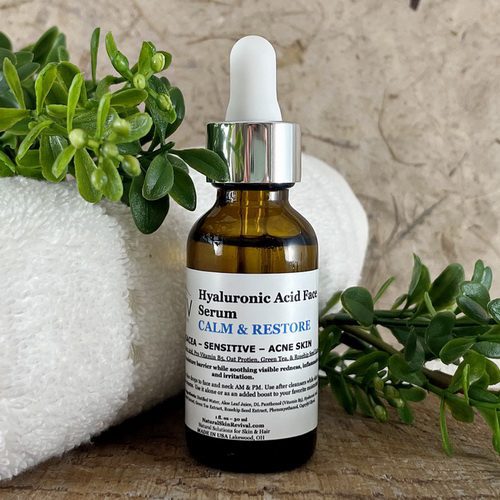 Calm & Restore Hyaluronic Acid Facial Serum$19.95
 -
 Facial Cleansing Oil Sensitive & Rosacea Skin$9.95
 -
 Facial Cream Sensitive Skin$12.95
 -
 Facial Wash Rosacea Oily Acne Skin$24.00
 -
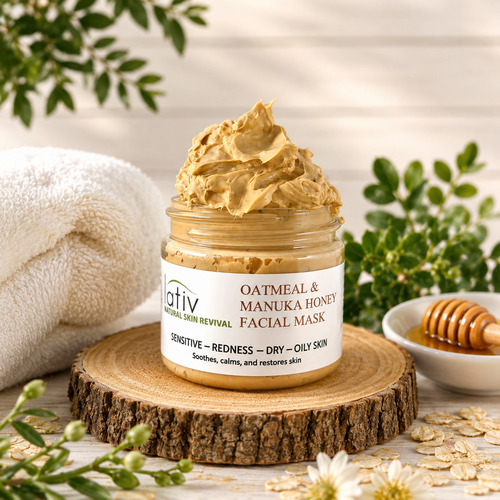 Oatmeal & Manuka Honey Facial MaskProduct on saleOriginal price was: $14.95.$12.70Current price is: $12.70.
 -
 Rapid Relief Facial Oil Serum$18.95
 -
 Sea Buckthorn Ultra Calming Repair Cream$19.95
 -
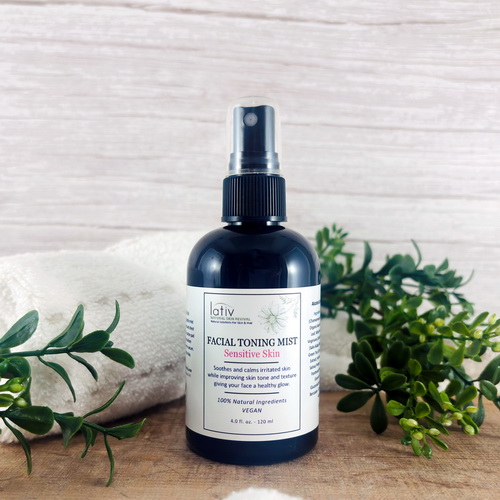 Toning Mist Sensitive & Rosacea Skin$13.95
Building a Skincare Routine for Rosacea-Prone Skin
Consistency is key when managing rosacea naturally. Start with a gentle cleanser, followed by a hydrating serum. Apply a calming moisturizer to lock in hydration. Use a soothing mist throughout the day if needed. Avoid over-exfoliating or using harsh products. Simplicity often works best.
Managing Flare-Ups Naturally
Flare-ups can be reduced with immediate calming care. Apply soothing serums and avoid triggers during this time. Cool compresses may help reduce redness. Keep skincare minimal and hydrating during flare-ups.
Expected Timeline for Improvement
Natural treatments require patience and consistency. Many people notice improvements within a few days, some weeks. Significant changes often appear after consistent use over several months.
A Calmer Path to Healthier Skin
Managing rosacea without medication is indeed achievable with the right approach and skincare regimen. At Natural Skin Revival we’re dedicated to providing natural, gentle solutions that nurture your skin’s health and well-being.
By understanding the nature of rosacea, identifying triggers, and incorporating soothing skincare products into your routine, you can take proactive steps towards managing this chronic condition and embracing a healthier, more radiant complexion. Say goodbye to discomfort and hello to confidence with our holistic approach to rosacea care.
Frequently Asked Questions
1.What are the most common triggers that worsen rosacea symptoms?
Triggers include sun exposure, stress, alcohol, spicy foods, and harsh skincare products.
2. How does inflammation contribute to rosacea and skin sensitivity?
Rosacea is driven by chronic inflammation, causing redness, irritation, and visible blood vessels over time. Read more here: Inflammation: How it Affects Your Skin
3. Can diet changes really help improve rosacea symptoms?
Yes, avoiding trigger foods and increasing anti-inflammatory nutrients may reduce flare-ups. Read more here: How an Anti-Inflammatory Diet Transforms Your Skin and Health
4. What natural ingredients help strengthen the skin barrier in rosacea?
Aloe vera, oatmeal, coconut oil, and chamomile soothe and protect sensitive skin. Natural Skin Revival Rosacea Sensitive Skincare
5. When should I seek professional help even if I prefer natural treatments?
Consult a dermatologist if symptoms persist, worsen, or affect daily life.
6. Is it possible to manage rosacea without prescription treatments?
Yes, many people successfully manage rosacea using natural skincare and lifestyle changes.
Written By: Mary Ellen Wank, Wellness Advocate and Founder of LATIV, Natural Skin Revival DISCLAIMER
References:
(1) Cleveland Clinic: Rosacea
Recommended Articles:
How to Naturally Improve Eye Skin
How To Choose and Use a Facial Serum
7 Reasons to Start Using a Facial Cleansing Mask
April 2, 2026 9:38 am
Comments are closed here.