

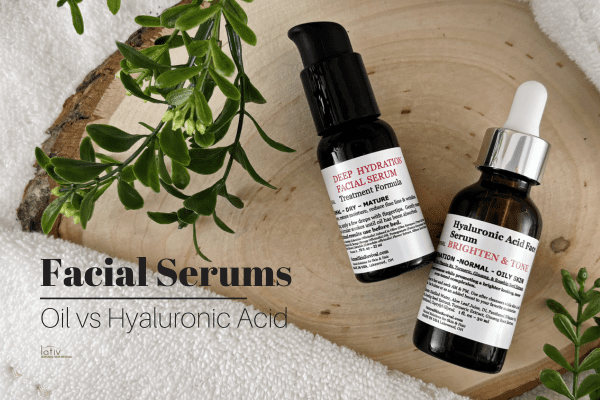
Understanding Facial Oil Serums and Hyaluronic Acid Serums
When searching online for skincare answers, many people feel overwhelmed by conflicting advice and complicated product choices. “Understanding Facial Oil Serums and Hyaluronic Acid Serums” helps clarify how hydration, moisture, and skin balance truly work together. Questions about dryness, breakouts, fine lines, and proper layering often lead people to compare these two popular serum types.
This guide explains how facial oil serums and hyaluronic acid serums support healthy skin using simple, science backed skincare principles.
Key Takeaway
Healthy, hydrated skin isn’t about choosing one serum over another. It’s about understanding how facial oil serums and hyaluronic acid serums work together to support moisture, barrier health, and long-term skin balance.
Table of Contents
- Key Takeaways
- What are Serums
- Facial Oil Serum vs. Hyaluronic Acid Serum
- What Is a Hyaluronic Acid Serum?
- What Is a Facial Oil Serum?
- What Are the Benefits of Using a Hyaluronic Acid Serum?
- Which Serum Is Best for Dry Skin
- How Hyaluronic Acid Hydrates the Skin
- Fine Lines, Wrinkles, and Hyaluronic Acid
- When to Apply Hyaluronic Acid in Your Routine
- What Are the Benefits of Using a Facial Oil Serum?
- Does Applying Facial Oil Help Lock in Moisture?
- Facial Oils for Oily and Acne-Prone Skin
- Do Facial Oils Clog Pores
- Which Serum to Use and When to Use Them
- Can You Use Both?
- Our Natural Skin Revival Serums
- Frequently Asked Questions
What Are Serums?
Serums are potent formulations designed to sink deeply into the skin, delivering active ingredients efficiently. They boast lightweight textures, allowing for quick absorption.
What’s the Difference Between a Facial Oil Serum and a Hyaluronic Acid Serum?
Facial oil serums and hyaluronic acid serums serve different, yet complementary, purposes in skincare.
- Hyaluronic acid serums are water-based hydrators
- Facial oil serums are lipid-rich moisturizers
Hyaluronic acid draws moisture into the skin, while facial oils help seal that hydration in place. Together, they create balanced, resilient skin that feels nourished rather than greasy.
What Is a Hyaluronic Acid Serum?
Hyaluronic acid (HA) serums are water-based and designed to deeply hydrate the skin by attracting moisture. They’re a go-to for:
- Dehydrated skin (even oily types)
- Plumping fine lines
- Restoring moisture balance
HA is a humectant—it draws moisture from the environment or your moisturizer. It’s lightweight, fast-absorbing, and works best when followed by a hydrating cream or oil.
Is hyaluronic acid safe for sensitive skin? Yes! It’s gentle and well-tolerated by most skin types.
What Is a Facial Oil Serum?
Facial oil serums are typically blends of natural oils that help nourish, soften, and seal moisture into the skin. They’re rich in fatty acids and antioxidants, making them ideal for:
- Dry, flaky skin
- Aging or mature skin
- Skin needing barrier repair
- Locking in hydration after water-based products
Do facial oils clog pores or help hydration? High-quality, non-comedogenic facial oils (like rosehip or jojoba) help seal in moisture without clogging pores.
What Are the Benefits of Using a Hyaluronic Acid Serum?
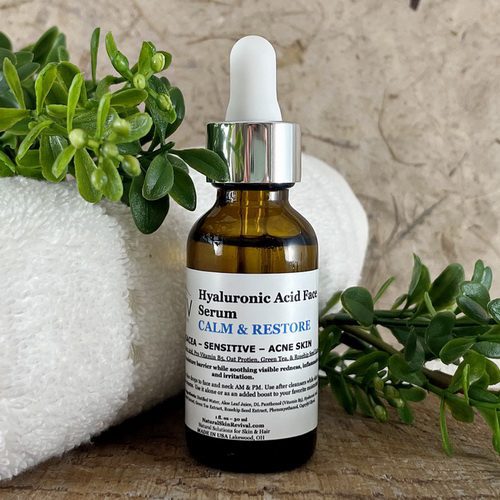
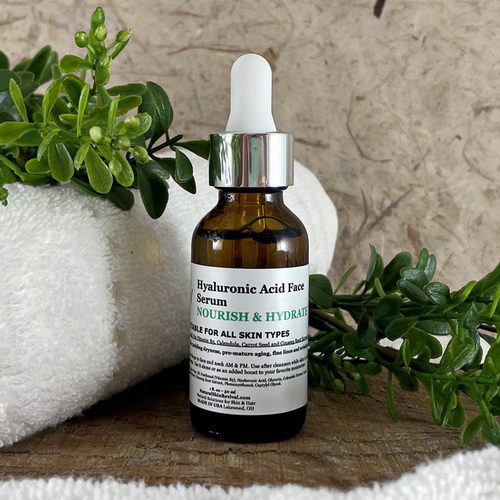
Hyaluronic acid serums contain a naturally occurring substance that helps the skin attract and hold moisture. As a humectant, hyaluronic acid draws water into the skin, keeping it hydrated and plump.
These serums have a lightweight, gel like texture and absorb quickly. They suit all skin types, including oily and acne prone skin, because they hydrate without adding oil. Regular use helps soften fine lines, improve elasticity, and support smoother looking skin.

Should I Use a Facial Oil Serum or a Hyaluronic Acid Serum for Dry Skin?
Dry skin benefits most from using both serums together.
- Hyaluronic acid replenishes water content
- Facial oil reduces moisture loss
- Combination use supports long-lasting hydration
When skin lacks water and oil, addressing only one often leads to tightness returning quickly.
How Does Hyaluronic Acid Serum Hydrate the Skin?
Hyaluronic acid is a humectant that binds water to the skin’s surface.
- Holds up to 1,000 times its weight in water
- Plumps skin for a smoother appearance
- Enhances elasticity and comfort
Applied to damp skin, it maximizes hydration results.
Can Hyaluronic Acid Serum Reduce Fine Lines and Wrinkles?
Hyaluronic acid improves the appearance of fine lines through hydration.
- Plumps skin temporarily
- Softens dehydration lines
- Supports smoother texture over time
Consistent use enhances overall skin resilience.
When in My Skincare Routine Should I Apply Hyaluronic Acid?
Hyaluronic acid should be applied early in your routine.
- Cleanse
- Apply hyaluronic acid serum
- Follow with moisturizer or facial oil
This sequence ensures hydration penetrates before sealing steps.

What Are the Benefits of Using a Facial Oil Serum?
Facial oil serums are formulated with nourishing oils like olive oil, rosehip, jojoba, or coconut oil.
These oils contain fatty acids, antioxidants, and vitamins that help moisturize and support the skin.
Facial oil serums are commonly used to replenish dry or dehydrated skin. They can also improve skin texture, soften fine lines, and enhance the skin’s natural glow.
Does Applying Facial Oil Help Lock in Moisture?
Facial oils act as occlusives, slowing moisture evaporation.
- Strengthens the skin barrier
- Prevents trans-epidermal water loss
- Leaves skin soft and supple
They are especially helpful in dry or cold climates.
Is Facial Oil Good for Oily or Acne-Prone Skin?
Facial oils can benefit oily and acne-prone skin when chosen wisely.
- Non-comedogenic oils won’t clog pores
- Lightweight oils help regulate sebum
- Balanced oil use may reduce breakouts
Over-drying skin often leads to increased oil production.
Do Facial Oils Clog Pores or Cause Breakouts?
High-quality facial oils are formulated to support pore health.
- Plant-based oils mimic skin’s natural lipids
- Proper formulation prevents congestion
- Less irritation than synthetic occlusives
Patch testing helps determine compatibility.


Which to Use and When?
Choosing between Facial Oil Serums and Hyaluronic Acid Serums depends on your skin type and concerns. If your skin craves nourishment and hydration, opt for a Facial Oil Serum. However, for a lightweight, hydrating boost, Hyaluronic Acid Serums are ideal.
Facial oil serums are typically applied after cleansing, toning, and moisturizing, either in the morning or at night. They applied after the moisturizer.
Hyaluronic acid serums are typically applied after cleansing and toning, and before moisturizing, both in the morning and at night.
Can You Use Both?
Absolutely! Incorporating both Facial Oil Serums and Hyaluronic Acid Serums into your daily routine can yield remarkable results. Start with a Hyaluronic Acid Serum to hydrate, then layer a Facial Oil Serum to seal in moisture and provide additional nourishment.
Improve Your Skin with Natural Skin Revival
Facial Oil Serums and Hyaluronic Acid Serums each offer unique benefits tailored to different skin needs. Whether you’re dealing with dryness or seeking to enhance hydration, adding these serums into your regimen can transform your skin, giving you a radiant complexion worthy of admiration. Explore our range of serums at Natural Skin Revival and embark on your journey to skin perfection.
Discover Our Natural Skin Revival Facial Serums
At Natural Skin Revival, our serums are crafted with purpose and purity.
Our Facial Oil Serums:
- Cold-pressed botanical oils
- Support barrier repair and glow
- Suitable for sensitive skin
Our Hyaluronic Acid Serum:
- Multi-weight hyaluronic acid
- Deep, surface, and long-lasting hydration
- Lightweight and fragrance-free
Each formula aligns with skin’s natural biology.
Frequently Asked Questions
1. How Long Does It Take to See Results from a Hyaluronic Acid Serum?
Most people notice improved hydration within days, while plumping effects develop over two to four weeks.
2. Why Do Some People Get Pilling When Applying Facial Oil Over Serum?
Pilling occurs when products aren’t fully absorbed or too much is applied too quickly.
3. Can I Mix Facial Oils with Hyaluronic Acid in the Same Routine?
Yes, layering is preferred, though mixing in-hand can work for minimal routines.
4. Are There Different Types of Hyaluronic Acid and Which Is Best?
Multiple molecular weights offer surface hydration and deeper moisture support.
5. How Do Facial Oils Support Skin Barrier Repair and Hydration?
Facial oils replenish lipids, strengthen the barrier, and reduce moisture loss over time.
6. Is hyaluronic acid safe for sensitive skin?
Yes. It’s lightweight and non-irritating.
7. How do I know which serum is right for my skin?
Choose HA for hydration, and oils for sealing in moisture or repairing skin.
Written By: Mary Ellen Wank, Wellness Advocate and Founder of LATIV, Natural Skin Revival. DISCLAIMER
Recommended Articles:
7 Benefits of Using a Facial Mask
The Benefits of Using Facial Cleansing Oils
Eyelid Dermatitis (Eczema) Symptoms, Cause & Treatment
February 5, 2026 7:58 am
Comments are closed here.