
Hard water doesn’t mean you have to give up natural goat milk soap. With a few simple adjustments, you can still enjoy a creamy cleanse while helping your soap perform its best.
If your goat milk soap seems harder to lather, your water may be the reason.
Hard water contains higher amounts of dissolved minerals, primarily calcium and magnesium. These minerals can interact with real soap and affect how easily it lathers and rinses.
The good news? Your goat milk soap is still working. You may simply need to change how you use it and what you use to wash with.
What Is Hard Water?
Hard water contains naturally occurring minerals, especially calcium and magnesium. The amount varies depending on your local water supply and geology. Therefore, one household may experience much harder water than another.
Common signs of hard water include:
- White mineral spots around faucets and shower doors
- Mineral buildup on showerheads
- Soap that produces less lather
- A film or residue on sinks and tubs
- Soap that seems to rinse differently than expected
Hard water is common throughout many areas of the United St
Why Does Hard Water Affect Goat Milk Soap?
Natural soap behaves differently from synthetic body washes and detergent-based cleansers. The calcium and magnesium in hard water can react with soap. This reaction creates insoluble soap residue, commonly called soap scum.
As a result, you may notice:
- Less bubbly lather
- A denser or creamier lather
- More effort needed to build lather
- Residue on your shower or bathtub
- A different after-wash feeling on your skin
Less lather does not automatically mean less cleansing. Lots of bubbles may feel satisfying, but bubbles are not the measurement of how well your skin is being cleansed.
How to Use Natural Skin Revival Goat Milk Soap With Hard Water
The solution is not necessarily to use significantly more soap. Instead, change how you build your lather.
1. Thoroughly Wet Your Skin and Washcloth
Start by thoroughly wetting your skin and chosen washcloth, pouf, loofah, or soap saver bag. A properly saturated washing tool helps distribute the soap more effectively.
2. Wet Your Goat Milk Soap
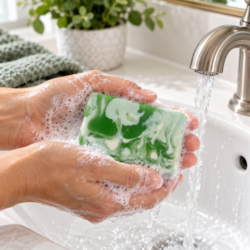
Briefly run your soap under warm water. You only need enough water to wet and slightly soften the surface.
3. Build Your Lather on a Washcloth or Pouf
Instead of relying on the bar alone, rub your goat milk soap directly onto a damp washcloth, pouf, loofah, or soap saver bag. Work the material between your hands to help develop the lather. Add a small amount of water if needed.
4. Apply the Lather to Your Skin
Once you have created enough lather, use the cloth or accessory to gently cleanse your skin. Avoid aggressive scrubbing, particularly if your skin is dry or sensitive.
5. Rinse Thoroughly
Hard water can contribute to insoluble soap residue. Therefore, thoroughly rinse your skin after cleansing.
6. Let Your Soap Dry Between Uses
Place your goat milk soap on a well-draining soap dish after every use. Do not leave the bar sitting in water. Allowing the soap to dry completely between showers helps extend the life of your bar.
Choose the Right Washcloth or Bath Tool
When you have hard water, what you use with your goat milk soap can make a noticeable difference.
Hard-water minerals can make natural soap more difficult to lather. A well-textured washcloth, mesh pouf, or soap saver bag can help work air into the soap and create lather more efficiently.
The right bath tool can also help distribute a creamy lather across your skin. This means you may not need to keep adding more soap just because you see fewer bubbles.
Washcloth Routine
The fabric and weave matter when you have hard water.
Look for a lightweight to medium-weight cloth with enough texture to work the soap into a lather. Wet the cloth thoroughly, rub your goat milk soap against it, and work the fabric between your hands.
Once you have a creamy lather, use the cloth to gently cleanse your skin.
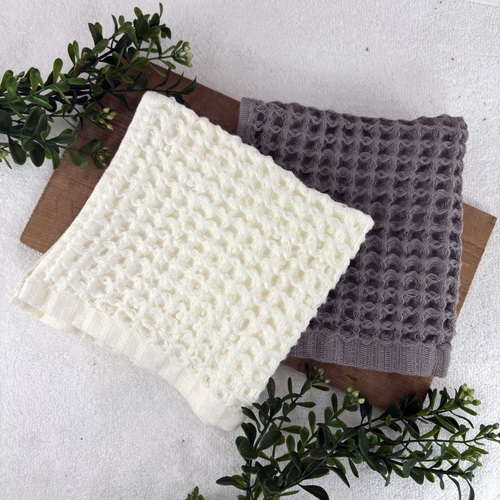
Best Washcloths for Goat Milk Bar Soap:
- Cotton or Bamboo Terry Cloth: Choose a medium-weight, textured, or terry-style cloth. The loops and texture help build and distribute lather.
- Textured Washcloths: A moderately textured weave can help create more lather while providing gentle exfoliation.
- Exfoliating Cloths: Synthetic or natural-fiber exfoliating cloths can produce plenty of lather while offering a more invigorating cleanse.
- Avoid Very Thin or Tightly Woven Cloths: These may hold less soap and air, making it more difficult to develop lather. Thin cloths may also wear out faster.
Hard Water Tip: If your soap isn’t lathering well on your current washcloth, try a thicker terry or textured cloth before using more soap.
Natural Loofahs
Prefer more exfoliation? A natural loofah can help work goat milk soap into a creamy lather while removing loose, dead surface skin.
Wet your loofah thoroughly before adding soap. Then work the bar over the wet fibers and gently squeeze or rub the loofah until lather develops. Because loofahs provide stronger exfoliation, use gentle pressure and avoid scrubbing irritated or sensitive skin.
Rinse thoroughly after every use. Hang the loofah somewhere it can dry completely, and replace it regularly.
Mesh Bath Poufs
Want more lather while using less soap? A mesh bath pouf may be your best choice for hard water.
The layers of mesh incorporate air while you work the soap through the pouf. This can help produce a lighter, foamier lather, even when hard water makes natural soap more challenging to lather.
Wet the pouf thoroughly. Rub your goat milk soap over the mesh several times. Then squeeze and work the pouf between your hands to develop the lather.
Because poufs can generate plenty of lather from a small amount of soap, they may also help your goat milk soap last longer.
However, proper care is important. Rinse the pouf thoroughly after every use and hang it somewhere it can dry completely. Clean or replace it according to the manufacturer’s recommendations.
Soap Saver Bags
A soap saver bag offers two benefits: better lather and less wasted soap.
Place a full goat milk soap bar or leftover soap pieces inside the bag. Wet it thoroughly, then rub the bag between your hands until a creamy lather develops. The textured material helps work the soap into a lather while providing light exfoliation.
Soap saver bags are especially useful for small pieces that become difficult to hold. Instead of throwing those pieces away, combine them in the bag and continue using them.
After bathing, rinse the bag and soap thoroughly. Whenever possible, remove the soap or hang the bag where both can dry completely.
Hard Water Tip: Try Filtered or Softened Water
If your water is extremely hard, a water-softening system can make a noticeable difference in how natural soap behaves. Softened water contains lower levels of the minerals responsible for interfering with soap.
You may notice your goat milk soap:
- Lathers more easily
- Requires less effort to use
- Produces fewer deposits around your shower
- Rinses differently than it does with hard water
Keep in mind that shower filters and true water softeners are not necessarily the same thing. Choose a system specifically designed for your household’s water concerns.
Make Your Goat Milk Soap Last Longer
Hard water may change your lather, but proper bar care remains just as important.
After every use:
- Remove the bar from the direct shower stream.
- Place it on a well-draining soap dish.
- Never leave the soap sitting in water.
- Allow air to circulate completely around the bar.
- Let the bar dry between uses.
Natural Skin Revival goat milk soaps are intentionally formulated to provide a softer, moisturizing cleansing experience. Keeping your bar dry between uses helps preserve its structure and extends its life.
Extra Tip: Rotate between two bars. While you’re using one, the other has additional time to dry completely.
Hard Water vs. Soft Water: What You May Notice
| With Hard Water | With Softer Water |
|---|---|
| Less visible lather | Lather develops more easily |
| Creamier, denser lather | More noticeable bubbles |
| More mineral and soap residue | Less soap residue |
| May require more effort to lather | Requires less effort to lather |
| More buildup around showers | Less buildup around showers |
Neither experience means there is something wrong with your goat milk soap. Your home’s water chemistry affects how natural soap behaves.
Frequently Asked Questions
Does goat milk soap work in hard water?
Yes. Goat milk soap can still be used with hard water. However, minerals in hard water can reduce lather and contribute to soap residue. Adjusting your lathering and rinsing routine can help.
Why won’t my goat milk soap lather in hard water?
Hard water contains calcium and magnesium. These minerals react with soap and can reduce its ability to create lather. Try building the lather between wet hands before applying it to your skin.
Does less lather mean my goat milk soap isn’t cleaning?
No. The amount of visible foam isn’t a reliable measurement of cleansing. Hard water can reduce bubbles even when you’re using the soap properly.
Why does goat milk soap leave residue in my shower?
Hard-water minerals can react with natural soap and form insoluble residue commonly called soap scum. This can collect on tubs, tile, glass, and other bathroom surfaces.
Should I use more goat milk soap if I have hard water?
Not necessarily. Start by thoroughly wetting your skin and building a concentrated lather between your hands. Using excessive soap can waste your bar without solving the underlying hard-water issue.
Can a water softener help goat milk soap lather better?
Yes. Softening water reduces calcium and magnesium levels that interfere with soap. Natural soap generally lathers more easily in softened water.
How can I tell if I have hard water?
Common signs include mineral deposits around faucets, spots on glassware, buildup on shower doors, and difficulty creating soap lather. Your local water utility may also provide information about your area’s water hardness.
Healthy Skin Starts With the Right Routine
Hard water may change the way your goat milk soap behaves, but it doesn’t mean natural soap isn’t right for your home.
A few small changes can make a big difference.
Wet thoroughly. Build a creamy lather. Rinse well. Moisturize as needed. And always allow your bar to dry between uses.
Once you understand how your water interacts with natural soap, getting the most from your Natural Skin Revival goat milk soap becomes much easier.